



WELCOME TO SHANTOU
Exploring the Essential Maintenance Schedule for Your Plastic Thermoforming Machine
Time: 2025-02-13 14:40:43.736
Exploring the Essential Maintenance Schedule for Your Plastic Thermoforming Machine Table of Contents Introduction Understanding Plastic Thermoforming Machines The Importance of Regular Maintenance Daily Maintenance Tasks Weekly Maintenance Tasks Monthly Maintenance Tasks Quarterly Maintenance Tasks Annual Maintenance Tasks Troubleshooting Common Issues Con
Exploring the Essential Maintenance Schedule for Your Plastic Thermoforming Machine
Table of Contents
- Introduction
- Understanding Plastic Thermoforming Machines
- The Importance of Regular Maintenance
- Daily Maintenance Tasks
- Weekly Maintenance Tasks
- Monthly Maintenance Tasks
- Quarterly Maintenance Tasks
- Annual Maintenance Tasks
- Troubleshooting Common Issues
- Conclusion
- Frequently Asked Questions (FAQs)
Introduction
In the competitive landscape of plastic manufacturing, a **plastic thermoforming machine** plays a critical role in producing a wide range of products, from packaging to automotive components. To keep these machines running efficiently and reliably, a well-structured maintenance schedule is essential. This article delves into the various aspects of maintaining your plastic thermoforming machine, ensuring that you maximize its lifespan and efficiency.
Understanding Plastic Thermoforming Machines
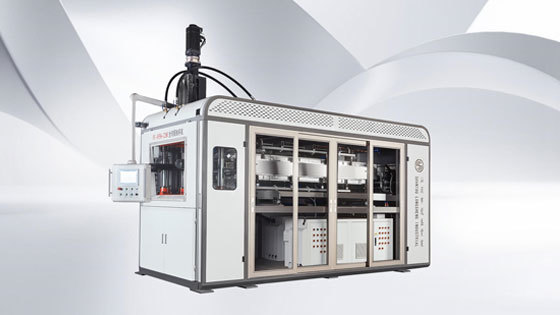
Plastic thermoforming machines are designed to heat thermoplastic sheets until they are pliable and then form them into specific shapes using molds. This process is vital in producing items such as trays, containers, and parts for various industries. Understanding how these machines operate is crucial for establishing an effective maintenance routine.
The Components of a Thermoforming Machine
A plastic thermoforming machine consists of several key components:
- **Heating Elements**: Responsible for heating the plastic sheets.
- **Molds**: Shape the heated plastic into the desired form.
- **Pressure System**: Applies pressure to secure the plastic in the mold.
- **Cooling System**: Cools the formed plastic to maintain its shape.
Familiarizing yourself with these components helps in identifying which areas require more frequent attention during maintenance.
The Importance of Regular Maintenance
Implementing a regular maintenance schedule for your thermoforming machine is vital for several reasons:
- **Enhanced Performance**: Regular checks and servicing ensure that all parts function optimally.
- **Increased Longevity**: Consistent maintenance can significantly extend the machine's lifespan.
- **Cost Savings**: By preventing major breakdowns, you save on repair costs and downtime.
- **Safety Compliance**: Regular maintenance helps ensure that the machine operates safely, reducing the risk of accidents.
Daily Maintenance Tasks
Daily maintenance tasks are crucial for ensuring that your plastic thermoforming machine runs smoothly. Here’s a detailed checklist:
1. Inspect Heating Elements
Check the heating elements for any signs of damage or wear. Promptly replacing faulty components prevents overheating and ensures consistent heating.
2. Clean the Molds
After each shift, clean the molds to remove any leftover plastic and debris. This prevents contamination and ensures a smooth finish on the products.
3. Check for Leaks
Inspect the pressure system for any leaks in the hoses or fittings. Addressing leaks immediately helps maintain pressure and efficiency.
4. Lubricate Moving Parts
Lubricate any moving parts to reduce friction and wear. This maintenance task can help prevent breakdowns and extend the machine's lifespan.
5. Document Daily Maintenance
Keep a log of all daily inspections and maintenance tasks performed. This record aids in identifying recurring issues and helps track the machine's overall health.
Weekly Maintenance Tasks
Weekly maintenance tasks provide a more in-depth check of your thermoforming machine. Here are some critical activities to include:
1. Inspect Electrical Connections
Examine all electrical connections for signs of wear or corrosion. Secure connections prevent electrical failures that can disrupt operations.
2. Clean the Cooling System
Flush the cooling system to remove any debris or build-up. A clean cooling system is essential for maintaining optimal processing temperatures.
3. Check the Pressure System
Inspect the pressure system for any signs of leaks or wear. Replace any worn components to ensure consistent pressure during the thermoforming process.
4. Review Safety Features
Test all safety features, including emergency stops and guard mechanisms, to ensure they function correctly. This step is crucial for maintaining a safe working environment.
5. Perform Visual Inspections
Conduct a thorough visual inspection of the entire machine. Look for any signs of wear, damage, or misalignment that could affect performance.
Monthly Maintenance Tasks
Monthly maintenance tasks delve deeper into the machine’s performance and condition. Implement the following tasks each month:
1. Replace Air Filters
Changing air filters regularly prevents dust and debris from clogging the system. Clean filters enhance performance and maintain air quality.
2. Inspect Belts and Chains
Check all belts and chains for wear and tension. Properly maintained belts and chains ensure smooth operation and prevent unplanned downtime.
3. Test Control Systems
Run diagnostic tests on the machine's control systems to ensure that all settings are functioning correctly. Address any discrepancies immediately.
4. Review Lubrication Levels
Ensure that all lubrication points are adequately filled. Regular lubrication minimizes wear and tear, keeping the machine running efficiently.
5. Update Maintenance Log
After each monthly inspection, update your maintenance log. Documenting these tasks helps identify trends and areas that may require more frequent attention.
Quarterly Maintenance Tasks
Quarterly maintenance tasks are essential for proactive machine care and include the following:
1. Calibration Checks
Conduct calibration checks on the heating and pressure systems to ensure they are operating within specified parameters. Proper calibration enhances product quality.
2. Inspect Structural Integrity
Examine the machine’s structure for any signs of stress or fatigue, particularly in high-load areas. Address any structural concerns to prevent failures.
3. Update Software
If your thermoforming machine uses software for operation, ensure that it is updated regularly to benefit from the latest features and security enhancements.
4. Clean Electrical Components
Dust and debris can accumulate on electrical components over time. Regularly clean these areas to prevent overheating and electrical failures.
5. Review Maintenance Procedures
Evaluate the effectiveness of your maintenance procedures and make adjustments as necessary. Continuous improvement is key to achieving optimal machine performance.
Annual Maintenance Tasks
Annual maintenance tasks are critical for the long-term health of your plastic thermoforming machine. These tasks can include:
1. Comprehensive Overhaul
Conduct a thorough overhaul of the machine, examining all components for wear and damage. Replace any parts that show significant signs of wear.
2. Professional Inspection
Consider hiring a professional technician to conduct an in-depth inspection of your machine. Their expertise can uncover issues that might go unnoticed during routine checks.
3. Update Documentation
Ensure that all maintenance records are up to date and accessible. Detailed documentation aids in compliance and provides valuable insights for future maintenance planning.
4. Staff Training
Assess the training needs of your staff regarding machine operation and maintenance. Providing ongoing training helps ensure that employees are equipped to maintain the machine effectively.
5. Review Spare Parts Inventory
Evaluate your inventory of spare parts and reorder items that are running low. Having essential components on hand reduces downtime during repairs.
Troubleshooting Common Issues
Even with a stringent maintenance schedule, issues may arise. Here are some common problems and troubleshooting tips:
1. Inconsistent Heating
If you experience inconsistent heating, check for damaged heating elements or faulty controls. Replacing broken components is necessary to restore uniform heating.
2. Molding Defects
Molding defects can occur due to improper temperatures or mold misalignment. Ensure that molds are correctly positioned and that temperatures are calibrated.
3. Excessive Noise
Unusual noises may indicate worn bearings or misaligned components. Investigate and address the source of the noise promptly to prevent further damage.
4. Slow Cycle Times
If the cycle time increases, inspect the pressure system and heating components. Blockages or inefficiencies in these systems can cause delays.
5. Safety Features Malfunctioning
If safety features fail to engage, conduct an immediate inspection of the wiring and switches. Safety is paramount, and any malfunctions must be addressed without delay.
Conclusion
Maintaining your plastic thermoforming machine is not just about preventing downtime; it's about optimizing performance, extending the life of the machine, and ensuring safety in the workplace. By adhering to a structured maintenance schedule that includes daily, weekly, monthly, quarterly, and annual tasks, you can address issues proactively and enhance the overall efficiency of your operations. Investing time and resources into maintaining your thermoforming machine will pay off in reduced costs and increased productivity in the long run.
Frequently Asked Questions (FAQs)
1. How often should I perform maintenance on my thermoforming machine?
It's recommended to conduct daily, weekly, monthly, quarterly, and annual maintenance tasks for optimal performance.
2. What are the signs that my thermoforming machine needs servicing?
Look for signs such as unusual noises, inconsistent heating, and increased cycle times as indicators that servicing is required.
3. Can I perform maintenance on my machine myself?
Yes, many maintenance tasks can be performed in-house. However, some tasks may require professional assistance.
4. How can I prolong the lifespan of my thermoforming machine?
Regular maintenance, proper operation, and timely repairs can significantly extend the lifespan of your machine.
5. What should I do if I find a problem during maintenance?
Address any issues immediately by repairing or replacing damaged components to prevent further complications or downtime.
Related News
Contact Us
China Shantou Longsheng Industry Co., Ltd.
Address:No.44 Xigang Road, Shantou, Guangdong, China
Mob: +86-13302710116
Shiela:+86-15362312727
E-mail: longshengmachine@gmail.com



TikTok