



WELCOME TO SHANTOU
Innovative Bioplastic Manufacturing Machines: Paving the Way for Sustainable Plastic Processing
Time: 2025-02-10 13:00:55.964
The evolution of bioplastic manufacturing machines marks a significant milestone in the plastic processing industry, driven by the increasing demand for sustainable alternatives to traditional petroleum-based plastics. Bioplastics—derived from renewable biomass sources—offer a viable solution to the environmental challenges posed by conventional plastics. This article aims to provide insights into
The evolution of bioplastic manufacturing machines marks a significant milestone in the plastic processing industry, driven by the increasing demand for sustainable alternatives to traditional petroleum-based plastics. Bioplastics—derived from renewable biomass sources—offer a viable solution to the environmental challenges posed by conventional plastics. This article aims to provide insights into the technology behind bioplastic manufacturing machines, their operational advantages, and their role in promoting a circular economy.
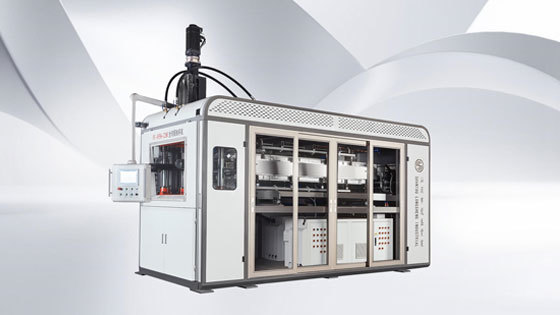
Bioplastic manufacturing machines are designed to process biopolymers such as polylactic acid (PLA), polyhydroxyalkanoates (PHA), and starch blends. These machines often incorporate advanced technologies such as extrusion, injection molding, and blow molding to mold bioplastics into various shapes and forms. One of the primary advantages of these machines is their ability to operate at lower temperatures compared to traditional plastic processing equipment. This not only saves energy but also enhances the quality of the end product by reducing degradation of the biopolymers.
Additionally, bioplastic manufacturing machines are often equipped with specialized features to optimize the processing of renewable materials. For instance, adjustable screw designs in extrusion machines can accommodate varying viscosities and molecular weights of different bioplastics, thereby ensuring a consistent and high-quality output. The integration of automation and control systems further enhances the efficiency of bioplastic production, allowing for real-time monitoring and adjustments that can improve throughput and reduce waste.
Moreover, the shift towards bioplastic manufacturing machines aligns with global sustainability goals and the growing consumer preference for eco-friendly products. As industries are increasingly held accountable for their environmental impact, investing in bioplastic technologies can provide a competitive edge while contributing to corporate social responsibility initiatives. This transition also opens up opportunities for innovation in product design, enabling manufacturers to meet the evolving demands of consumers who prioritize sustainability.
In conclusion, bioplastic manufacturing machines represent a pivotal development in the realm of plastic processing, offering not only the potential for significant environmental benefits but also operational efficiencies that can redefine manufacturing practices. Companies willing to adopt these advanced technologies stand to enhance their market position while contributing to a more sustainable future in the plastics industry. Embracing bioplastic manufacturing could very well be the key to navigating the challenges of a rapidly changing marketplace and fostering a circular economy.
Related News
Contact Us
China Shantou Longsheng Industry Co., Ltd.
Address:No.44 Xigang Road, Shantou, Guangdong, China
Mob: +86-13302710116
Shiela:+86-15362312727
E-mail: longshengmachine@gmail.com



TikTok