



WELCOME TO SHANTOU
Understanding PP Thermoforming Machines: A Key Player in Plastic Processing
Time: 2025-03-24 13:20:22.647
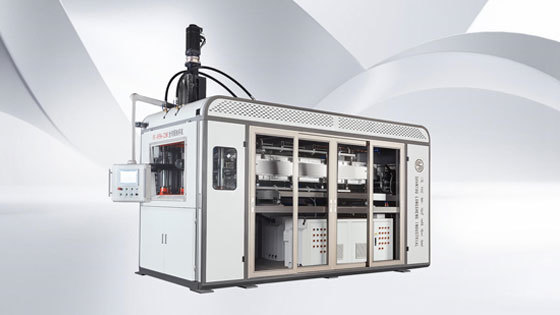
Polypropylene (PP) thermoforming machines are specialized equipment used in the production of plastic parts and packaging through a process known as thermoforming. This technique involves heating a thermoplastic sheet, such as polypropylene, to a pliable forming temperature, then forming it into a specific shape through the use of molds and various mechanical processes. The versatility and efficie
Polypropylene (PP) thermoforming machines are specialized equipment used in the production of plastic parts and packaging through a process known as thermoforming. This technique involves heating a thermoplastic sheet, such as polypropylene, to a pliable forming temperature, then forming it into a specific shape through the use of molds and various mechanical processes. The versatility and efficiency of PP thermoforming machines make them a popular choice among manufacturers seeking to produce a wide range of products, from packaging materials to automotive components.
One of the key advantages of using PP for thermoforming is its excellent balance of strength, flexibility, and chemical resistance. PP materials are lightweight yet durable, making them suitable for various applications, including food packaging, medical devices, and consumer goods. The thermoforming process allows manufacturers to create intricate designs and achieve high production rates, which is increasingly important in today’s fast-paced market.
The operation of a PP thermoforming machine typically involves several stages. First, the PP sheet is heated until it reaches a specific temperature that makes it malleable. Once heated, the sheet is placed over a mold, and vacuum or pressure is applied to shape the material into the desired form. After cooling, the formed part can be trimmed and removed from the mold, completing the process. This method not only optimizes material usage but also reduces waste, as any excess material can often be recycled back into the process.
In recent years, advancements in technology have led to the development of more sophisticated PP thermoforming machines. These machines may integrate features such as computer control systems, which enhance precision and allow for greater customization options. Additionally, innovations in energy efficiency and automation are making these machines more sustainable and cost-effective for manufacturers.
Furthermore, the versatility of PP thermoforming machines extends beyond basic production. They can also be adapted for various applications, including the creation of custom shapes, textures, and finishes, which can significantly enhance the aesthetic appeal of the end product. As consumer preferences continue to evolve, the ability to innovate and produce unique items becomes increasingly valuable.
In conclusion, PP thermoforming machines are essential tools in the plastic processing industry, providing manufacturers with the capability to produce a wide array of products efficiently and effectively. By understanding the intricacies of these machines and their applications, industry professionals can enhance their production processes and meet the growing demands of the market. The ongoing technological advancements in this field promise to further optimize the capabilities of PP thermoforming machines, making them a critical component of future manufacturing strategies.
Related News
Contact Us
China Shantou Longsheng Industry Co., Ltd.
Address:No.44 Xigang Road, Shantou, Guangdong, China
Mob: +86-13302710116
Shiela:+86-15362312727
E-mail: longshengmachine@gmail.com


TikTok