




WELCOME TO SHANTOU
How to Effectively Train Your Team on PET Thermoforming Machines
Time: 2025-03-21 12:20:21.120
How to Effectively Train Your Team on PET Thermoforming Machines Table of Contents Understanding PET Thermoforming Machines The Importance of Training Your Team Identifying the Training Needs of Your Team Developing a Comprehensive Training Program Implementing Hands-On Training Sessions Utilizing Visual Aids and Resources Measuring Training Success and Effectiveness Providing Ong
How to Effectively Train Your Team on PET Thermoforming Machines
Table of Contents
- Understanding PET Thermoforming Machines
- The Importance of Training Your Team
- Identifying the Training Needs of Your Team
- Developing a Comprehensive Training Program
- Implementing Hands-On Training Sessions
- Utilizing Visual Aids and Resources
- Measuring Training Success and Effectiveness
- Providing Ongoing Support and Refresher Courses
- Conclusion
- FAQs
Understanding PET Thermoforming Machines
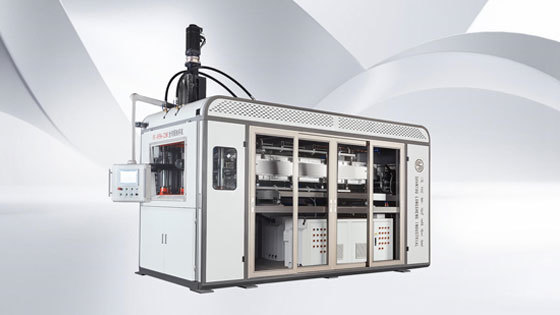
To train your team effectively on PET thermoforming machines, it’s essential to understand what these machines do and their role in the manufacturing process. PET (Polyethylene Terephthalate) thermoforming machines are crucial in producing a variety of plastic products, including containers, trays, and packaging solutions. These machines work by heating PET sheets until they become pliable, then forming them into specific shapes using molds.
How PET Thermoforming Works
The process of thermoforming involves several stages, including:
- Heating: The PET sheets are heated to a specific temperature to make them soft.
- Forming: Once pliable, the sheets are placed over molds and shaped using vacuum or pressure.
- Cooling: The formed products are cooled to retain their shape.
- Trimming: Excess material is trimmed away to finalize the product.
The Importance of Training Your Team
Training is a cornerstone of operational excellence in any manufacturing setting. Proper training on PET thermoforming machines enhances safety, efficiency, and product quality, which directly impacts your bottom line.
Boosting Safety Standards
Understanding the operational and safety protocols associated with PET thermoforming machines can significantly reduce workplace accidents. Well-trained employees are less likely to make critical errors that could lead to injuries or equipment damage.
Enhancing Product Quality
When your team is well-trained, the quality of the products they produce improves. They will better understand how to adjust machine settings, troubleshoot problems, and ensure that the thermoformed products meet industry standards.
Increasing Efficiency
Training helps your team become more efficient operators. They will learn best practices for operating the machines, leading to reduced downtime and faster production cycles.
Identifying the Training Needs of Your Team
Before developing a training program, it’s crucial to assess the current skill levels of your team and identify areas that require improvement. Here are some steps to effectively identify training needs:
Conduct Skills Assessments
Use skills assessments to gauge the knowledge and competency levels of your team members. This can include written tests, practical demonstrations, and one-on-one interviews.
Gather Feedback
Encourage your team to provide feedback on their comfort levels and perceived knowledge gaps regarding PET thermoforming machines. This can help you tailor the training to meet their specific needs.
Developing a Comprehensive Training Program
Once you’ve identified the training needs, the next step is to develop a comprehensive training program. A well-structured program ensures that all aspects of operating PET thermoforming machines are covered.
Setting Training Objectives
Define clear training objectives. For instance, your objectives could include familiarizing the team with machine components, teaching them operational protocols, and ensuring they understand troubleshooting techniques.
Choosing Training Methods
Different training methods can be employed to cater to various learning styles. Options include:
- Classroom Training: For theoretical knowledge and best practices.
- Hands-On Training: Essential for gaining practical experience with the machines.
- Online Resources: Utilize videos and interactive modules for flexible learning.
Implementing Hands-On Training Sessions
Hands-on training is the most effective way to ensure that your team gains practical experience. Here’s how to implement these sessions:
Creating Realistic Scenarios
Simulate real-world scenarios where operators must react to different challenges. This could include adjusting machine settings for different product types or troubleshooting common issues.
Encouraging Peer Learning
Encourage experienced operators to mentor newer team members. Peer learning fosters a collaborative environment and allows for knowledge sharing.
Utilizing Visual Aids and Resources
Visual aids can significantly enhance understanding and retention of information. Incorporate various resources into your training program:
Diagrams and Charts
Use diagrams to illustrate machine components and their functions. Flowcharts can be beneficial for showing the thermoforming process step-by-step.
Videos and Tutorials
Leverage instructional videos that demonstrate proper operation techniques and safety protocols. These resources can serve as valuable references for your team.
Measuring Training Success and Effectiveness
After the training sessions, it’s essential to measure the success and effectiveness of the program. This can be achieved through various means:
Post-Training Assessments
Administer assessments to evaluate the knowledge gained during the training. This can include both theoretical and practical evaluations.
Monitoring Performance Metrics
Track performance metrics such as production rates, error rates, and safety incidents before and after training to assess improvements.
Providing Ongoing Support and Refresher Courses
Training should not be a one-time event. Offering ongoing support and refresher courses helps maintain high standards of operation.
Establishing a Feedback Loop
Continuously gather feedback from your team about their training experience and any additional support they may need. This will help you adapt and improve your training program over time.
Regular Refresher Courses
Schedule regular refresher courses to revisit critical skills and introduce any updates in technology or procedures related to PET thermoforming machines.
Conclusion
Training your team on PET thermoforming machines is a vital investment in your manufacturing operations. By understanding the machines, identifying training needs, developing a comprehensive program, and providing ongoing support, you set the stage for enhanced performance, safety, and product quality. Implement these strategies, and you will empower your team to excel in their roles while maximizing the efficiency of your PET thermoforming processes.
FAQs
What is a PET thermoforming machine?
A PET thermoforming machine is a type of equipment used to heat and mold PET sheets into various shapes for packaging and other applications.
Why is training important for operating thermoforming machines?
Training is essential to ensure safety, improve product quality, and enhance operational efficiency, reducing errors and accidents.
How long should the training program be?
The duration of the training program can vary depending on the complexity of the machines and the experience level of the team, but it typically ranges from a few days to a couple of weeks.
What methods can be used for training on PET thermoforming machines?
Training can include classroom instruction, hands-on sessions, online modules, and the use of visual aids such as videos and diagrams.
How can we assess the effectiveness of the training?
Effectiveness can be assessed through post-training assessments, monitoring performance metrics, and gathering feedback from participants.
Related News
Contact Us
China Shantou Longsheng Industry Co., Ltd.
Address:No.44 Xigang Road, Shantou, Guangdong, China
Mob: +86-13302710116
Shiela:+86-15362312727
E-mail: longshengmachine@gmail.com



TikTok