



WELCOME TO SHANTOU
How Plastic Thermoforming Machines Enhance Lean Manufacturing Efficiency
Time: 2025-03-15 12:00:32.315
How Plastic Thermoforming Machines Enhance Lean Manufacturing Efficiency Introduction to Lean Manufacturing In today's competitive market, manufacturers are continually seeking ways to improve efficiency, reduce waste, and enhance product quality. **Lean manufacturing** has emerged as a fundamental approach that focuses on minimizing waste while maximizing productivity. Within this framework, the
How Plastic Thermoforming Machines Enhance Lean Manufacturing Efficiency
Introduction to Lean Manufacturing
In today's competitive market, manufacturers are continually seeking ways to improve efficiency, reduce waste, and enhance product quality. **Lean manufacturing** has emerged as a fundamental approach that focuses on minimizing waste while maximizing productivity. Within this framework, the role of **plastic thermoforming machines** has become increasingly significant. These machines not only streamline production processes but also contribute to a more sustainable manufacturing environment.
Understanding Plastic Thermoforming
Plastic thermoforming is a manufacturing process that involves heating plastic sheets until they become pliable, then shaping them over a mold to create various products. This method is widely used in industries such as packaging, automotive, and consumer goods. The versatility of thermoforming makes it an ideal choice for manufacturers aiming to implement lean principles.
Key Components of Thermoforming Machines
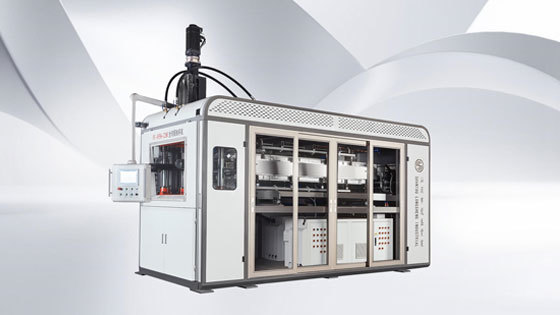
Plastic thermoforming machines consist of several essential components that work together to achieve efficient production. These include:
- **Heating elements**: To uniformly heat the plastic sheets.
- **Molds**: To shape the heated plastic into desired forms.
- **Vacuum systems**: To ensure that the plastic conforms tightly to the mold.
- **Cooling systems**: To solidify the formed plastic quickly.
Types of Thermoforming Processes
There are primarily two types of thermoforming processes: **vacuum forming** and **pressure forming**.
- **Vacuum forming** utilizes a vacuum to draw the heated plastic into the mold, making it suitable for simple shapes and lower production costs.
- **Pressure forming** employs air pressure to push the plastic into the mold, allowing for more complex shapes and finer details.
Each method offers distinct advantages, contributing to lean manufacturing by enhancing production speed and flexibility.
The Lean Manufacturing Principles and Their Relevance to Thermoforming
Lean manufacturing revolves around five core principles: defining value, mapping the value stream, creating flow, establishing pull, and seeking perfection. Let's explore how plastic thermoforming machines align with these principles.
Defining Value
In lean manufacturing, value is defined from the customer's perspective. **Plastic thermoforming** allows manufacturers to produce high-quality products at competitive prices, ensuring that customer expectations are met or exceeded. The ability to create customized products quickly further enhances perceived value.
Mapping the Value Stream
Value stream mapping is a crucial step in identifying waste within processes. Plastic thermoforming machines help eliminate unnecessary steps by integrating various stages of production. For instance, the ability to cut, mold, and form plastic in a single operation reduces handling time and minimizes material waste.
Creating Flow and Establishing Pull
To create an effective flow, manufacturers must ensure that production processes are streamlined. Thermoforming machines can be set up in a way that maximizes workflow efficiency, leading to faster turnaround times. Additionally, implementing a pull system allows for on-demand production, reducing the risk of overproduction and inventory costs.
Seeking Perfection Through Continuous Improvement
Thermoforming technology continuously evolves, with advancements leading to more efficient, precise, and eco-friendly machines. Manufacturers embracing lean principles can adopt these innovations to optimize their processes further, seeking constant improvement.
Benefits of Integrating Thermoforming Machines in Lean Manufacturing
Integrating plastic thermoforming machines into lean manufacturing processes offers numerous benefits.
1. Waste Reduction
One of the primary goals of lean manufacturing is to eliminate waste. Thermoforming machines minimize material waste by efficiently utilizing plastic sheets and allowing for precision cutting, thus reducing off-cuts and scrap.
2. Increased Production Speed
Thermoforming machines can significantly speed up production rates. With rapid heating and cooling cycles, manufacturers can produce large volumes of products in shorter timeframes, aligning perfectly with lean manufacturing goals.
3. Enhanced Product Quality
Thermoforming allows for consistent production quality due to precise temperature control and uniform heating. This quality assurance is vital for maintaining customer satisfaction and reducing rework or defects, which can hinder lean efforts.
4. Flexibility in Design
The adaptability of thermoforming machines allows manufacturers to switch between product designs quickly, facilitating short-run production and customization. This flexibility is essential for responding to market demands without incurring significant costs or delays.
5. Cost Savings
By reducing waste, increasing production speed, and enhancing quality, manufacturers can achieve substantial cost savings. These savings can be redirected towards further innovations or improvements in operations, fostering a cycle of continuous enhancement in line with lean principles.
Technological Advancements in Thermoforming
As the manufacturing landscape evolves, so too do the technologies that support it. Recent advancements in plastic thermoforming machines have enhanced their capabilities significantly.
Automation and Robotics
The integration of automation and robotics in thermoforming machines has revolutionized production processes. Automated systems can handle materials, monitor quality, and manage workflows, leading to increased efficiency and reduced labor costs.
Smart Manufacturing and IoT
The Internet of Things (IoT) has introduced smart manufacturing solutions that allow thermoforming machines to communicate with one another and with centralized management systems. This connectivity enables real-time monitoring and adjustments, optimizing processes and enhancing decision-making.
Energy Efficiency
Modern thermoforming machines are designed with energy efficiency in mind. Utilizing advanced heating technologies and insulation materials reduces energy consumption, aligning with sustainability goals while supporting lean manufacturing practices.
Case Studies: Successful Implementation of Thermoforming in Lean Manufacturing
To illustrate the impact of plastic thermoforming machines on lean manufacturing, let's delve into a few case studies.
Case Study 1: Automotive Industry
A leading automotive manufacturer incorporated thermoforming machines into their production line for interior components. By leveraging the speed and flexibility of thermoforming, they reduced production times by 30% while maintaining high quality. This transition allowed them to respond quickly to changing consumer demands, embodying lean principles.
Case Study 2: Food Packaging Sector
In the food packaging industry, a company adopted thermoforming to create custom packaging solutions. They achieved a significant reduction in material waste and improved their production efficiency, resulting in cost savings and enhanced sustainability. The ability to quickly switch designs to meet market trends exemplified the adaptability of lean manufacturing.
Challenges in Thermoforming and Lean Manufacturing
While integrating plastic thermoforming machines into lean manufacturing offers numerous advantages, challenges can arise.
1. Initial Investment Costs
The upfront costs of acquiring advanced thermoforming machines can be a barrier for some manufacturers. However, the long-term savings and efficiency gains often justify this investment.
2. Training and Skill Development
Employees may require training to operate sophisticated thermoforming machines effectively. Investing in workforce development is crucial to ensure that manufacturers can fully leverage the technology.
3. Maintenance and Downtime
Regular maintenance is essential to prevent machine downtime, which can disrupt lean manufacturing processes. Implementing a proactive maintenance plan can mitigate these risks and ensure continuous production.
Frequently Asked Questions (FAQs)
1. What is the difference between vacuum forming and pressure forming?
Vacuum forming uses a vacuum to draw heated plastic into a mold, while pressure forming uses air pressure to push the plastic into the mold. Pressure forming allows for more complex shapes and details.
2. How do thermoforming machines reduce waste?
Thermoforming machines reduce waste by optimizing the use of plastic sheets and allowing for precise cutting, minimizing off-cuts and scrap materials.
3. Can thermoforming machines be integrated with automation?
Yes, modern thermoforming machines can be integrated with automated systems and robotics to enhance efficiency and reduce labor costs.
4. What industries benefit from plastic thermoforming?
Industries such as automotive, packaging, electronics, and consumer goods benefit significantly from plastic thermoforming due to its versatility and efficiency.
5. How can manufacturers ensure quality in thermoforming production?
Manufacturers can ensure quality by implementing rigorous quality control measures, utilizing advanced heating technologies, and investing in employee training.
Conclusion
Plastic thermoforming machines play a pivotal role in enhancing lean manufacturing efficiency. By reducing waste, increasing production speed, and improving product quality, these machines align perfectly with the principles of lean manufacturing. As technology continues to evolve, manufacturers who embrace these advancements will be well-positioned to thrive in a competitive marketplace. Integrating plastic thermoforming into lean practices not only drives operational excellence but also contributes to a sustainable and efficient future in manufacturing.
Related News
Contact Us
China Shantou Longsheng Industry Co., Ltd.
Address:No.44 Xigang Road, Shantou, Guangdong, China
Mob: +86-13302710116
Shiela:+86-15362312727
E-mail: longshengmachine@gmail.com



TikTok