



WELCOME TO SHANTOU
Exploring the Future of Sustainability: Insights into Bioplastic Manufacturing Machines
Time: 2025-05-11 12:40:13.407
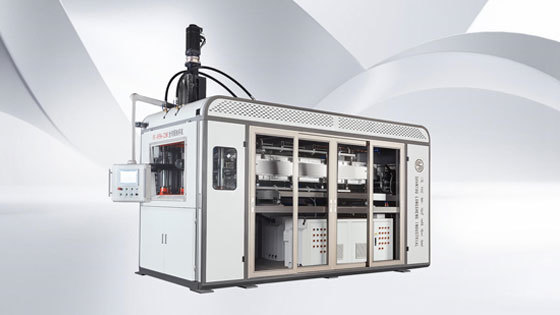
As the demand for environmentally friendly materials grows, the spotlight on bioplastic manufacturing machines becomes increasingly relevant. These machines are designed to produce bioplastics derived from renewable biomass sources, such as corn starch, sugarcane, or agricultural waste. The shift towards bioplastics is driven by the need to reduce our reliance on fossil fuels and decrease plastic
As the demand for environmentally friendly materials grows, the spotlight on bioplastic manufacturing machines becomes increasingly relevant. These machines are designed to produce bioplastics derived from renewable biomass sources, such as corn starch, sugarcane, or agricultural waste. The shift towards bioplastics is driven by the need to reduce our reliance on fossil fuels and decrease plastic waste, making it a key area of focus for manufacturers aiming to contribute to sustainable development.
Understanding the technology behind bioplastic manufacturing machines is crucial for industry players. Typically, these machines employ various processing methods, including extrusion, injection molding, and blow molding, tailored to the specific type of bioplastic being produced. For instance, the extrusion process is commonly used for producing bioplastic films and sheets, while injection molding is ideal for creating intricate shapes and components. By utilizing these machines, manufacturers can efficiently convert raw bioplastic feedstock into finished products that meet consumer needs.
One of the significant benefits of investing in bioplastic manufacturing machines is their potential to enhance product differentiation in a crowded marketplace. As consumers become more environmentally conscious, products made from bioplastics can attract a growing segment of eco-aware buyers. This shift not only opens new avenues for business growth but also positions companies as leaders in the sustainability movement.
Moreover, bioplastic manufacturing machines often come with advanced features that improve operational efficiency and reduce energy consumption. Innovations such as real-time monitoring, automated controls, and energy-efficient designs can minimize waste and optimize production processes. This not only leads to cost savings for manufacturers but also aligns with global sustainability goals, making it a win-win situation.
When considering the implementation of bioplastic manufacturing machines, it is essential to assess the entire production process, including sourcing materials, machine capabilities, and end-product applications. Collaborating with experts in bioplastics technology can provide valuable insights and help streamline operations to ensure that your facility remains competitive in a rapidly evolving market.
In conclusion, bioplastic manufacturing machines represent a significant opportunity for industries looking to embrace sustainability. By understanding the technology, processes, and benefits associated with these machines, manufacturers can take proactive steps toward creating a more sustainable future while also capitalizing on the growing demand for eco-friendly products. Embracing this shift not only contributes positively to the environment but also positions businesses for long-term success in an increasingly eco-conscious world.
Related News
Contact Us
China Shantou Longsheng Industry Co., Ltd.
Address:No.44 Xigang Road, Shantou, Guangdong, China
Mob: +86-13302710116
Shiela:+86-15362312727
E-mail: longshengmachine@gmail.com



TikTok