



WELCOME TO SHANTOU
The Future of Sustainable Manufacturing: Exploring Bioplastic Manufacturing Machines
Time: 2024-11-29 13:20:28.138
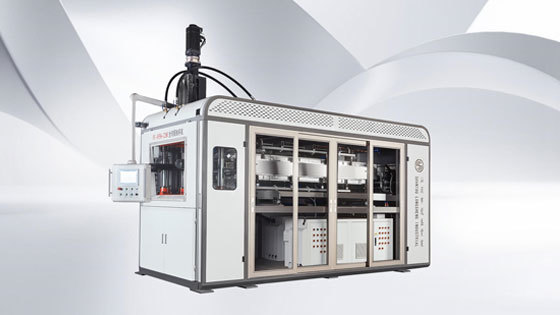
The demand for environmentally friendly alternatives to traditional plastic has surged in recent years, largely due to growing concerns over plastic pollution and sustainability. Bioplastics, derived from renewable resources such as corn starch, sugarcane, and other organic materials, offer a promising solution. Bioplastic manufacturing machines are pivotal in transforming these raw materials into
Bioplastic manufacturing machines come in various forms, each designed to handle specific types of bioplastics. These machines utilize advanced technologies to ensure efficient processing while minimizing waste and energy consumption. Notably, the extrusion process is often employed in bioplastic manufacturing, allowing for the continuous production of bioplastic sheets, films, and other shapes. Given the unique properties of bioplastics, such as lower melting points and varying viscosity, specialized machinery must be used to ensure optimal performance.
One of the significant advantages of bioplastic manufacturing machines is their ability to reduce the carbon footprint associated with traditional plastic production. By utilizing renewable materials and employing energy-efficient processes, manufacturers can significantly lower greenhouse gas emissions. Additionally, many bioplastics are biodegradable, further contributing to environmental sustainability by reducing the long-term impact on landfills.
Investing in bioplastic manufacturing technology not only aligns with global sustainability goals but can also enhance a manufacturer’s competitive edge. As consumers increasingly demand eco-friendly products, companies that adopt bioplastic manufacturing machines can position themselves as leaders in the green economy. Furthermore, government regulations and incentives aimed at reducing plastic waste further support the transition to bioplastic solutions.
However, it is essential to consider the technical challenges associated with bioplastic manufacturing. The variability in raw materials can affect product consistency, requiring manufacturers to invest in high-quality machinery and rigorous quality control processes. Additionally, the initial investment in bioplastic manufacturing machines may be higher than traditional plastic processing equipment, but the long-term savings and benefits can outweigh these costs.
In conclusion, bioplastic manufacturing machines are a critical component in the evolution of the plastic industry towards more sustainable practices. By leveraging advanced technologies and renewable resources, these machines not only address environmental concerns but also open new markets and opportunities for manufacturers. As the industry evolves, staying informed about advancements in bioplastic technology will be crucial for professionals looking to navigate the future of sustainable manufacturing successfully.
Related News
Contact Us
China Shantou Longsheng Industry Co., Ltd.
Address:No.44 Xigang Road, Shantou, Guangdong, China
Mob: +86-13302710116
Shiela:+86-15362312727
E-mail: longshengmachine@gmail.com



TikTok