



WELCOME TO SHANTOU
Unlocking Efficiency: The Benefits of a Cup Thermoforming Machine in Production
Time: 2024-11-30 12:40:45.133
Unlocking Efficiency: The Benefits of a Cup Thermoforming Machine in Production Table of Contents 1. Introduction to Cup Thermoforming Machines 2. Understanding the Thermoforming Process 3. Advantages of Using a Cup Thermoforming Machine 3.1 Enhanced Production Efficiency 3.2 Cost-Effectiveness 3.3 Optimal Material Usage 3.4 Ver
Unlocking Efficiency: The Benefits of a Cup Thermoforming Machine in Production
Table of Contents
- 1. Introduction to Cup Thermoforming Machines
- 2. Understanding the Thermoforming Process
- 3. Advantages of Using a Cup Thermoforming Machine
- 3.1 Enhanced Production Efficiency
- 3.2 Cost-Effectiveness
- 3.3 Optimal Material Usage
- 3.4 Versatility in Production
- 4. Technological Advancements in Cup Thermoforming
- 5. Case Studies: Real-World Applications
- 6. Maintenance and Reliability of Cup Thermoforming Machines
- 7. Sustainability in Cup Thermoforming
- 8. Frequently Asked Questions (FAQs)
- 9. Conclusion
1. Introduction to Cup Thermoforming Machines
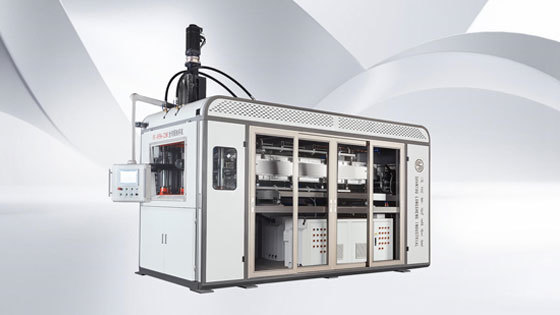
In the ever-evolving landscape of manufacturing, **cup thermoforming machines** have emerged as a pivotal technology, streamlining the production of plastic cups and containers. These machines utilize a molding process that transforms flat plastic sheets into three-dimensional shapes by heating and forming them, allowing manufacturers to achieve greater design complexity and production efficiency. As industries pivot towards automation and smart manufacturing, understanding the capabilities of cup thermoforming machines is essential for businesses aiming to optimize their production lines.
2. Understanding the Thermoforming Process
The thermoforming process involves several key steps. Initially, a flat thermoplastic sheet is heated to a pliable state. This sheet is then draped over a mold, where a vacuum is applied to pull the sheet into the desired shape. The process concludes with cooling, solidifying the formed product. Cup thermoforming specifically targets the production of drinkware, food containers, and other similar items. By harnessing the principles of thermal dynamics and material science, manufacturers can produce a wide array of products that meet diverse market needs.
3. Advantages of Using a Cup Thermoforming Machine
3.1 Enhanced Production Efficiency
One of the most significant advantages of cup thermoforming machines is their ability to enhance production efficiency. These machines can produce thousands of cups per hour, significantly reducing the time required for manufacturing. This efficiency allows companies to meet high demand without compromising on quality. Moreover, the automation features of modern thermoforming machines minimize labor costs and human error, further boosting productivity.
3.2 Cost-Effectiveness
Investing in cup thermoforming technology can lead to substantial cost savings over time. The high-speed production capabilities lower the cost per unit, making it economically viable for large-scale production. Additionally, the machines often require less energy and fewer raw materials compared to traditional manufacturing processes, further enhancing their cost-effectiveness. Companies can reallocate these savings towards research and development or marketing efforts, fostering growth and innovation.
3.3 Optimal Material Usage
Cup thermoforming machines are designed to optimize material usage, which is crucial in today’s environmentally conscious marketplace. The process generates minimal waste, as the sheets are tailored to fit the mold precisely. Furthermore, manufacturers can utilize recycled materials, contributing to a more sustainable production cycle. This ability to use materials efficiently not only reduces costs but aligns with global sustainability goals, making companies more appealing to eco-conscious consumers.
3.4 Versatility in Production
Another compelling benefit of cup thermoforming machines is their versatility. These machines can produce a wide range of products, from simple cups to complex shapes and sizes, accommodating various applications. They can be easily adjusted to create different designs, making them suitable for short runs and custom orders. This adaptability allows manufacturers to respond swiftly to market trends and consumer preferences, ensuring competitiveness in a rapidly changing industry.
4. Technological Advancements in Cup Thermoforming
Recent advancements in technology have further enhanced the capabilities of cup thermoforming machines. Integration of **Industry 4.0 technologies**, such as IoT (Internet of Things) and AI (Artificial Intelligence), enable real-time monitoring and predictive maintenance. These innovations lead to improved uptime and efficiency, empowering manufacturers to optimize their production schedules and reduce downtime. The incorporation of smart sensors allows for precise control over temperature and pressure, ensuring consistent product quality.
5. Case Studies: Real-World Applications
To illustrate the effectiveness of cup thermoforming machines, consider the following case studies:
- **Beverage Industry:** A leading beverage manufacturer implemented a cup thermoforming machine to produce PET cups for cold drinks. The switch from traditional injection molding reduced production costs by 30%, while increasing output by 50%. This enabled the company to meet seasonal spikes in demand without the need for additional labor.
- **Food Packaging:** A food packaging company utilized cup thermoforming to create biodegradable containers for takeout meals. The process allowed for rapid prototyping and customization, resulting in a unique product line that appealed to environmentally conscious consumers. Sales increased by 25% within six months of launch.
These examples underscore the transformative impact that cup thermoforming machines can have on production efficiency and market responsiveness.
6. Maintenance and Reliability of Cup Thermoforming Machines
Regular maintenance is crucial for maximizing the performance and lifespan of cup thermoforming machines. These machines typically require routine inspections, cleaning, and part replacements to ensure optimal operation. Companies can implement a proactive maintenance schedule to identify potential issues before they escalate, thereby reducing downtime and repair costs. Additionally, many manufacturers offer comprehensive support and service packages, further enhancing the reliability of these machines.
7. Sustainability in Cup Thermoforming
Sustainability is a pressing concern in modern manufacturing. Cup thermoforming machines contribute to this effort by enabling the use of recycled plastics and minimizing waste during production. Moreover, the energy-efficient nature of these machines reduces the carbon footprint associated with manufacturing processes. Companies can promote their sustainability initiatives by highlighting their use of eco-friendly materials and processes, appealing to a growing segment of environmentally conscious consumers.
8. Frequently Asked Questions (FAQs)
1. What types of materials can be used in cup thermoforming?
Cup thermoforming machines can use various thermoplastic materials, including PET, PP, and PS, making them versatile for different applications.
2. How does a cup thermoforming machine differ from injection molding?
While both processes mold plastic, thermoforming uses heat to shape materials, while injection molding injects molten plastic into a mold, making them suitable for different product types.
3. What is the production speed of a typical cup thermoforming machine?
Cup thermoforming machines can produce hundreds to thousands of units per hour, depending on the machine's specifications.
4. Are cup thermoforming machines suitable for small production runs?
Yes, cup thermoforming machines are flexible and can adapt to both small and large production runs, making them a good choice for custom orders.
5. What maintenance is required for cup thermoforming machines?
Regular maintenance includes cleaning, lubrication, and parts inspection, along with adherence to the manufacturer's guidelines for optimal performance.
9. Conclusion
In conclusion, **cup thermoforming machines** represent a significant advancement in manufacturing technology, offering benefits that extend beyond mere production efficiency. Their ability to reduce costs, optimize material usage, and enhance versatility makes them an invaluable asset for businesses in the plastic processing industry. As companies continue to navigate the complexities of modern manufacturing, investing in cup thermoforming technology will not only improve operational efficiency but also align with sustainability goals, creating a pathway for innovation and growth in a competitive marketplace. By embracing these machines, manufacturers can unlock new levels of productivity and responsiveness, ensuring their place at the forefront of the industry.
Related News
Contact Us
China Shantou Longsheng Industry Co., Ltd.
Address:No.44 Xigang Road, Shantou, Guangdong, China
Mob: +86-13302710116
Shiela:+86-15362312727
E-mail: longshengmachine@gmail.com



TikTok