



WELCOME TO SHANTOU
Understanding Plastic Thermoforming Machines: A Comprehensive Guide
Time: 2024-12-05 12:40:56.924
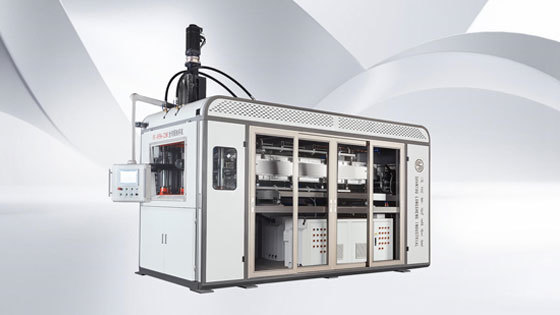
Plastic thermoforming machines play a crucial role in the manufacturing and processing of various plastic products. They are specifically designed to heat plastic sheets until they become pliable and can be molded into specific shapes. This process is widely used in creating packaging materials, automotive parts, and consumer goods. Understanding how plastic thermoforming machines operate can sign
The thermoforming process begins with the selection of the appropriate plastic sheet, which is typically made from thermoplastics such as polystyrene, polycarbonate, or PVC. These materials are favored due to their ability to be repeatedly heated and reshaped without losing their inherent properties. Once the right type of plastic is chosen, it is fed into the thermoforming machine, where it is heated to a specific temperature, allowing it to become flexible.
Once the plastic sheet reaches the desired temperature, it is then formed over a mold. This can be achieved through various methods, including vacuum forming, pressure forming, and twin-sheet forming. In vacuum forming, a vacuum is applied to draw the heated plastic sheet into contact with the mold, creating a precise shape. Pressure forming uses air pressure to push the plastic against the mold, providing added detail and thickness. Twin-sheet forming involves two sheets of plastic being heated and formed simultaneously, which is ideal for creating hollow structures with added strength.
One of the significant advantages of using plastic thermoforming machines is their efficiency in producing large quantities of products with minimal waste. The process is highly automated, allowing manufacturers to maintain a rapid production rate while ensuring consistent quality. In addition, thermoforming is often more cost-effective than other plastic molding techniques, making it an attractive option for many businesses.
Furthermore, thermoformed products are lightweight yet durable, making them suitable for numerous applications across various industries. From packaging solutions to components in the automotive sector, the versatility of plastic thermoforming machines makes them indispensable in modern manufacturing.
In conclusion, plastic thermoforming machines are vital for producing a wide range of plastic products efficiently and economically. Their ability to process various thermoplastics through different forming techniques allows manufacturers to cater to diverse market needs. By understanding the functionality and benefits of these machines, businesses can optimize their production processes and enhance the quality of their products. Embracing the technology behind plastic thermoforming can lead to innovative solutions and improved competitiveness in the ever-evolving manufacturing landscape.
Related News
Contact Us
China Shantou Longsheng Industry Co., Ltd.
Address:No.44 Xigang Road, Shantou, Guangdong, China
Mob: +86-13302710116
Shiela:+86-15362312727
E-mail: longshengmachine@gmail.com



TikTok