



WELCOME TO SHANTOU
How Multi-Station Thermoforming Machines Enhance Production Capabilities
Time: 2024-12-08 12:40:49.311
How Multi-Station Thermoforming Machines Enhance Production Capabilities Introduction to Multi-Station Thermoforming Technology In the fast-evolving world of manufacturing, efficiency and productivity are paramount. Multi-station thermoforming machines have emerged as a game-changing solution, revolutionizing how plastic components are produced. By maximizing output and minimizing downtime, these
How Multi-Station Thermoforming Machines Enhance Production Capabilities
Introduction to Multi-Station Thermoforming Technology
In the fast-evolving world of manufacturing, efficiency and productivity are paramount. Multi-station thermoforming machines have emerged as a game-changing solution, revolutionizing how plastic components are produced. By maximizing output and minimizing downtime, these machines offer substantial benefits to manufacturers looking to enhance their production capabilities.
The Basics of Thermoforming
Before delving into the specifics of multi-station systems, it’s essential to understand the thermoforming process. Thermoforming involves heating a plastic sheet until it becomes pliable and then molding it into specific shapes using a die. This method is widely used for creating a variety of products, from packaging materials to automotive parts.
Types of Thermoforming Processes
There are two primary types of thermoforming processes:
1. **Vacuum Forming**: In this process, the heated plastic sheet is placed over a mold, and vacuum pressure pulls the material down to take the shape of the mold. It is ideal for creating shallow forms and is commonly used for packaging.
2. **Pressure Forming**: This process uses air pressure to push the heated plastic against the mold, allowing for more intricate designs and deeper shapes. Pressure forming is frequently used in the production of high-quality, detailed parts.
What Are Multi-Station Thermoforming Machines?
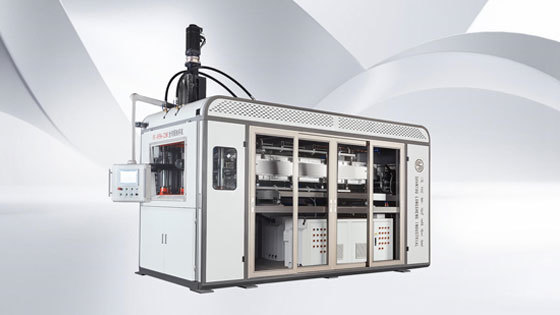
Multi-station thermoforming machines are advanced manufacturing systems that incorporate multiple forming stations in a single unit. Unlike traditional thermoforming machines, these systems can perform several operations simultaneously, significantly increasing production efficiency.
Key Components of Multi-Station Thermoforming Machines
- **Heating Units**: These systems provide consistent and controlled heating of the plastic sheets.
- **Forming Stations**: Each station can be dedicated to a specific operation, such as forming, trimming, or cooling, allowing for continuous production.
- **Automated Controls**: Advanced software manages the processes, optimizing cycle times and ensuring precision.
Benefits of Multi-Station Thermoforming Machines
Investing in multi-station thermoforming machines comes with numerous advantages that can substantially enhance production capabilities.
1. Increased Production Efficiency
Multi-station machines allow for simultaneous processing, which drastically reduces cycle times. While one station is heating a plastic sheet, another can be forming or trimming it, resulting in a continuous workflow. This efficiency means that manufacturers can produce more parts in less time, boosting overall output.
2. Cost-Effectiveness
By streamlining production processes, multi-station thermoforming machines can lead to significant cost savings. Reduced labor costs, lower energy consumption, and decreased material waste contribute to a more profitable operation. The ability to produce more goods in a shorter time frame also enhances return on investment (ROI).
3. Enhanced Product Quality
With improved control over the heating and forming processes, manufacturers can achieve higher consistency and quality in their products. Multi-station systems reduce the risk of defects and ensure that each part meets stringent specifications, leading to increased customer satisfaction and fewer returns.
4. Versatility in Applications
Multi-station thermoforming machines can produce a wide variety of products, from simple containers to complex automotive components. This versatility makes them suitable for various industries, including food packaging, medical device manufacturing, and automotive production.
Technological Advancements in Multi-Station Thermoforming Machines
The evolution of technology has played a significant role in enhancing the capabilities of multi-station thermoforming machines.
1. Automation and Robotics
Incorporating automation and robotic systems allows for greater precision and efficiency. Automated loading and unloading systems reduce manual handling, further minimizing the potential for errors and improving safety in the manufacturing environment.
2. Advanced Material Handling Systems
Modern machines are equipped with sophisticated material handling systems that ensure seamless transitions between different stages of production. This automation allows for quicker changeovers and less downtime, contributing to overall efficiency.
3. Smart Manufacturing and IoT
The integration of smart manufacturing technologies and the Internet of Things (IoT) enables real-time monitoring and data analysis. Manufacturers can track performance metrics, predict maintenance needs, and optimize production schedules based on demand.
Common Applications of Multi-Station Thermoforming Machines
Multi-station thermoforming machines are utilized across various industries, showcasing their adaptability and efficiency.
1. Packaging Solutions
In the packaging industry, multi-station machines are used to create clamshells, trays, and containers that require precise shapes and dimensions. Their ability to produce high volumes quickly makes them ideal for meeting the demands of fast-paced markets.
2. Automotive Parts Production
The automotive industry relies on multi-station thermoforming machines for producing components like dashboards, interior panels, and protective covers. The intricate designs and durability required for these parts benefit from the advanced capabilities of multi-station technology.
3. Medical Device Manufacturing
In the medical field, precision and compliance with regulatory standards are critical. Multi-station thermoforming machines can produce sterile packaging and various medical device components, ensuring high quality and safety for end-users.
Choosing the Right Multi-Station Thermoforming Machine
Selecting the appropriate multi-station thermoforming machine is crucial for optimizing production capabilities. Here are some factors to consider:
1. Production Volume
Determine the expected production volume and choose a machine that can accommodate your needs. Higher output requirements may necessitate more advanced features and greater automation.
2. Material Compatibility
Consider the types of plastics you will be using. Ensure that the machine is compatible with various materials, including thermoplastics like ABS, PET, and PVC.
3. Customization Options
Look for machines that offer customizable features to meet specific manufacturing requirements. The ability to adjust parameters for different products can enhance versatility.
FAQs About Multi-Station Thermoforming Machines
1. What is the main advantage of multi-station thermoforming machines over traditional machines?
The main advantage is increased efficiency, as multiple processes can occur simultaneously, reducing cycle times and boosting production output.
2. Can multi-station thermoforming machines handle complex designs?
Yes, they are designed to produce intricate shapes and detailed parts, making them suitable for various applications across multiple industries.
3. What types of materials can be used in multi-station thermoforming?
These machines can typically process a range of thermoplastics, including ABS, PET, PVC, and more, depending on the machine’s specifications.
4. How does automation improve the thermoforming process?
Automation streamlines operations, reduces manual handling, enhances precision, and minimizes errors, all contributing to improved overall efficiency.
5. What industries benefit most from multi-station thermoforming machines?
Industries such as packaging, automotive, and medical device manufacturing are among the primary beneficiaries of these advanced machines due to their high efficiency and quality output.
Conclusion
Multi-station thermoforming machines are transforming the manufacturing landscape by enhancing production capabilities. Their ability to increase efficiency, reduce costs, and improve product quality makes them an invaluable asset for manufacturers in various industries. As technology continues to evolve, we can expect these machines to become even more advanced, further solidifying their role in modern production processes. Investing in multi-station thermoforming technology is not just a decision for today, but a strategic move toward a more efficient and profitable future.
Related News
Contact Us
China Shantou Longsheng Industry Co., Ltd.
Address:No.44 Xigang Road, Shantou, Guangdong, China
Mob: +86-13302710116
Shiela:+86-15362312727
E-mail: longshengmachine@gmail.com


TikTok