



WELCOME TO SHANTOU
How PVC Thermoforming Machines Revolutionize Plastic Processing
Time: 2024-12-12 13:20:36.432
How PVC Thermoforming Machines Revolutionize Plastic Processing Table of Contents 1. Understanding PVC Thermoforming Machines 2. The Mechanism of PVC Thermoforming 3. Advantages of PVC Thermoforming Machines 4. Applications of PVC Thermoforming in Various Industries 5. Comparing PVC Thermoforming to Other Plastic Processing Techniques 6. Innovations in PVC Thermoforming Technology 7.
How PVC Thermoforming Machines Revolutionize Plastic Processing
Table of Contents
1. Understanding PVC Thermoforming Machines
2. The Mechanism of PVC Thermoforming
3. Advantages of PVC Thermoforming Machines
4. Applications of PVC Thermoforming in Various Industries
5. Comparing PVC Thermoforming to Other Plastic Processing Techniques
6. Innovations in PVC Thermoforming Technology
7. Sustainability in PVC Thermoforming
8. FAQs about PVC Thermoforming Machines
9. Conclusion: The Future of Plastic Processing with PVC Thermoforming
1. Understanding PVC Thermoforming Machines
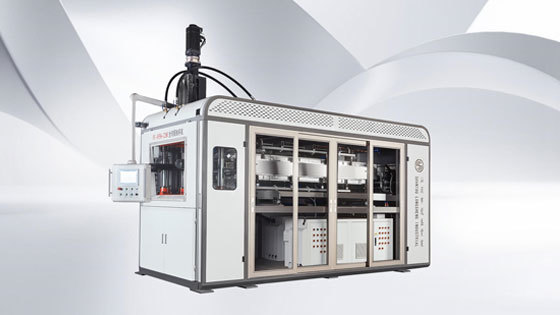
PVC thermoforming machines are specialized equipment used in the plastic processing industry to create products from polyvinyl chloride (PVC). This process involves heating PVC sheets until they become pliable, then molding them into desired shapes using various techniques. The versatility and efficiency of PVC thermoforming machines make them a preferred choice for manufacturers looking to produce high-quality plastic products with minimal waste.
2. The Mechanism of PVC Thermoforming
The operation of PVC thermoforming machines can be broken down into several key steps:
2.1. Heating the PVC Sheets
The process begins with heating the PVC sheets to a temperature where they become soft and moldable. This is typically achieved using infrared heaters or convection heating systems. Proper temperature control is crucial to prevent overheating, which can lead to material degradation.
2.2. Forming the Heated Sheets
Once the sheets are adequately heated, they are placed over a mold. The forming process can be executed through various methods, including vacuum forming, pressure forming, or mechanical forming. Each method offers unique advantages, depending on the complexity of the product being created.
2.3. Cooling and Trimming
After the PVC sheet has been molded into the desired shape, it is cooled to solidify the material. Once cooled, excess material is trimmed away, ensuring a clean finish. The final product is then ready for inspection and packaging.
3. Advantages of PVC Thermoforming Machines
PVC thermoforming machines boast several advantages that contribute to their rising popularity in the plastic processing industry:
3.1. Cost-Effectiveness
Thermoforming is generally more cost-effective than other plastic processing methods, such as injection molding. The equipment required for thermoforming tends to be less expensive, and the process itself requires fewer raw materials.
3.2. Rapid Production Times
The quick heating and forming cycles of PVC thermoforming machines allow for rapid production of plastic components. Manufacturers can produce large quantities in a short amount of time, catering to high demand.
3.3. Design Flexibility
Thermoforming offers unparalleled design flexibility. It is possible to create complex shapes and intricate designs with ease, allowing manufacturers to innovate and develop unique products.
3.4. Minimal Material Waste
One of the significant benefits of PVC thermoforming is the reduction in material waste. The process allows for the efficient use of PVC sheets, and any excess material can often be recycled and reused.
4. Applications of PVC Thermoforming in Various Industries
PVC thermoforming machines find applications across numerous industries, demonstrating their versatility and effectiveness:
4.1. Packaging Industry
In the packaging sector, PVC thermoforming is widely used to create clamshells, trays, and blister packs. These products protect items during transportation and display while being lightweight and cost-effective.
4.2. Automotive Industry
The automotive sector employs PVC thermoforming for producing interior components, such as dashboard panels and door liners. The ability to create lightweight yet durable parts contributes to improved fuel efficiency.
4.3. Medical Industry
PVC thermoforming machines are also utilized in the medical field to manufacture containers, trays, and other products that require high cleanliness standards. The ease of sterilization of PVC makes it ideal for medical applications.
4.4. Consumer Products
From household items to electronic device casings, PVC thermoforming is used to create a wide range of consumer products. Its adaptability allows for the production of aesthetically appealing and functional designs.
5. Comparing PVC Thermoforming to Other Plastic Processing Techniques
While PVC thermoforming machines are highly effective, it's essential to compare them with other plastic processing methods to understand their unique advantages.
5.1. PVC Thermoforming vs. Injection Molding
Injection molding is often seen as a rival to thermoforming, particularly for high-volume production. However, injection molding requires more substantial investment in molds and machinery, whereas thermoforming offers lower initial costs and faster turnaround times.
5.2. PVC Thermoforming vs. Blow Molding
Blow molding is used primarily for hollow objects, such as bottles. In contrast, PVC thermoforming excels at creating flat or shallow components. The choice between the two processes depends on the specific product requirements and design goals.
6. Innovations in PVC Thermoforming Technology
The plastic processing industry is constantly evolving, and recent innovations in PVC thermoforming technology are enhancing efficiency and product quality.
6.1. Automation and Robotics
The integration of automation and robotics in PVC thermoforming machines is streamlining production processes. Automated systems can handle material loading, trimming, and inspection, reducing labor costs and improving precision.
6.2. Advanced Heating Techniques
New heating technologies, such as infrared heating with better energy efficiency, are improving the speed and consistency of the heating process. This results in better-quality products and reduced energy consumption.
7. Sustainability in PVC Thermoforming
Sustainability is an increasingly critical concern in the plastic processing industry. PVC thermoforming machines contribute to sustainability in several ways:
7.1. Recycling Capability
PVC is a recyclable material, and thermoforming allows for the reuse of scrap material generated during production. This significantly reduces the environmental impact associated with plastic manufacturing.
7.2. Reduced Energy Consumption
The efficiency of PVC thermoforming machines, especially with the latest heating technologies, leads to lower energy consumption compared to traditional manufacturing methods. This not only cuts costs but also minimizes carbon footprints.
8. FAQs about PVC Thermoforming Machines
8.1. What materials can be used with PVC thermoforming machines?
PVC thermoforming machines primarily use polyvinyl chloride (PVC) sheets, but they can also process other thermoplastics like PETG and ABS, depending on the machine's capabilities.
8.2. How does the cost of PVC thermoforming compare to other plastic processing methods?
PVC thermoforming is generally more cost-effective than methods like injection molding due to lower machinery costs and reduced material waste.
8.3. What are the maintenance requirements for PVC thermoforming machines?
Regular maintenance includes cleaning the heating elements, checking for wear and tear on molds, and ensuring the mechanical components are functioning correctly to prevent downtime.
8.4. Can PVC thermoforming machines be used for large-scale production?
Yes, PVC thermoforming machines are designed for both small and large-scale production, making them adaptable to a variety of manufacturing needs.
8.5. What safety precautions should be taken when operating PVC thermoforming machines?
Operators should use personal protective equipment (PPE), ensure proper ventilation, and follow safety protocols to prevent accidents related to heat and machinery.
9. Conclusion: The Future of Plastic Processing with PVC Thermoforming
In conclusion, PVC thermoforming machines are revolutionizing the plastic processing industry through their efficiency, cost-effectiveness, and versatility. As technology continues to advance, we can expect further innovations that enhance productivity and sustainability. Manufacturers that leverage the benefits of PVC thermoforming will not only improve their production processes but also contribute to a more sustainable future in plastic manufacturing. Adopting this technology is an investment that promises substantial returns in both economic and environmental terms, positioning businesses for success in an increasingly competitive market.
Related News
Contact Us
China Shantou Longsheng Industry Co., Ltd.
Address:No.44 Xigang Road, Shantou, Guangdong, China
Mob: +86-13302710116
Shiela:+86-15362312727
E-mail: longshengmachine@gmail.com



TikTok