



WELCOME TO SHANTOU
Understanding PP Thermoforming Machines: A Comprehensive Overview for Industry Professionals
Time: 2024-12-17 13:00:19.244
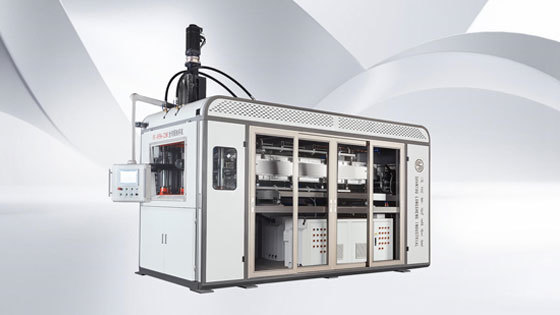
Polypropylene (PP) thermoforming machines are specialized equipment designed for shaping and molding thermoplastic materials, specifically polypropylene, into various forms. This process involves heating the PP sheets until they become pliable, then forming them into desired shapes using molds. The versatility of PP as a material makes it widely used for packaging, containers, and various industri
One of the key benefits of using PP thermoforming machines is their efficiency in production. The thermoforming process allows for rapid heating and cooling cycles, enabling manufacturers to produce large quantities of formed products in a relatively short time. This is particularly advantageous in industries where high-volume production is essential, such as food packaging and consumer goods.
The operation of a PP thermoforming machine typically involves several stages. First, the polypropylene sheets are fed into the machine, where they are heated to a specific temperature. Once the sheets reach the required temperature, they are then drawn into a mold using vacuum or pressure. After cooling, the formed products are ejected from the mold, ready for trimming or additional processing. This streamlined workflow not only enhances productivity but also reduces material waste, making it an environmentally friendly option in manufacturing.
Moreover, PP thermoforming machines offer adaptability in terms of design and production. Manufacturers can create intricate designs and varying thicknesses of products, which is essential for meeting diverse customer demands. The ability to switch between different molds quickly also means that businesses can respond swiftly to market changes without significant downtime.
In addition to efficiency and versatility, PP thermoforming is also known for its cost-effectiveness. The raw material, polypropylene, is generally less expensive compared to other thermoplastics, which can lead to reduced production costs. This aspect makes PP thermoforming an attractive option for startups and established businesses aiming to optimize their manufacturing processes.
Furthermore, the end products made from PP thermoforming are recyclable, promoting sustainability in the plastic processing industry. As the global focus shifts towards eco-friendly practices, companies utilizing PP thermoforming machines can position themselves as responsible manufacturers committed to reducing their environmental footprint.
In conclusion, PP thermoforming machines play a crucial role in the plastic processing industry, offering efficiency, adaptability, and cost-effectiveness. Understanding the operational principles and benefits of these machines can empower professionals in making knowledgeable decisions that enhance their manufacturing capabilities and align with current market trends.
Related News
Contact Us
China Shantou Longsheng Industry Co., Ltd.
Address:No.44 Xigang Road, Shantou, Guangdong, China
Mob: +86-13302710116
Shiela:+86-15362312727
E-mail: longshengmachine@gmail.com



TikTok