



WELCOME TO SHANTOU
Understanding the Essentials of Plastic Thermoforming Machines
Time: 2024-12-30 15:40:24.733
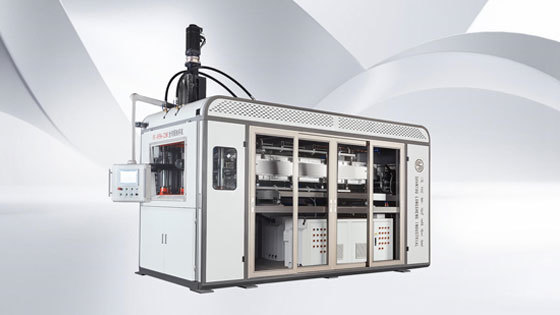
Plastic thermoforming machines are essential tools in the manufacturing and processing of plastic materials. These machines utilize heat and pressure to shape plastic sheets into various forms, making them a vital component in numerous industries, including packaging, automotive, and consumer goods. The process of thermoforming begins with heating a thermoplastic sheet until it becomes pliable. On
The process of thermoforming begins with heating a thermoplastic sheet until it becomes pliable. Once it reaches the desired temperature, the sheet is then formed over a mold using vacuum or pressure techniques. After cooling, the plastic retains the mold's shape, resulting in finished products that are both functional and aesthetically pleasing. This process allows for high levels of customization and efficiency, making plastic thermoforming machines a popular choice for manufacturers.
One of the primary benefits of using plastic thermoforming machines is their versatility. They can be used to produce a wide range of products, from simple trays and containers to complex custom parts. This adaptability makes them suitable for both small-scale and large-scale production runs, accommodating various market demands without compromising quality.
Another significant advantage is the cost-effectiveness of the thermoforming process. Compared to other plastic processing methods, such as injection molding, thermoforming typically requires less energy and has lower tooling costs. This means that businesses can achieve faster turnaround times and reduced production costs, making it an attractive option for many manufacturers.
In addition to their economic benefits, plastic thermoforming machines contribute to sustainability efforts. Many thermoforming processes utilize recycled materials, minimizing waste and promoting a circular economy. As industries increasingly seek eco-friendly solutions, the ability to incorporate recycled plastics into production becomes a crucial selling point for manufacturers.
When considering the implementation of a plastic thermoforming machine, it's important to assess key factors such as the type of materials being processed, the desired production volume, and the specific applications of the finished products. This analysis will guide manufacturers in selecting the right machine and optimizing their production processes.
Furthermore, regular maintenance and proper operation of thermoforming machines play a critical role in ensuring their longevity and efficiency. Operators should be trained in best practices to avoid common pitfalls, such as overheating or improper mold alignment, which can lead to defects in the final products.
In conclusion, plastic thermoforming machines are an invaluable asset in the manufacturing sector, offering efficiency, versatility, and cost-effectiveness. By understanding the principles of operation and the benefits they provide, businesses can leverage these machines to enhance their production capabilities and better meet market demands. Whether it's for creating packaging solutions or intricate components, the role of plastic thermoforming machines is indispensable in today's plastic processing landscape.
Related News
Contact Us
China Shantou Longsheng Industry Co., Ltd.
Address:No.44 Xigang Road, Shantou, Guangdong, China
Mob: +86-13302710116
Shiela:+86-15362312727
E-mail: longshengmachine@gmail.com



TikTok