



WELCOME TO SHANTOU
Unlocking the Future: Insights into Bioplastic Manufacturing Machines
Time: 2025-01-03 11:20:21.957
As the world increasingly focuses on sustainability, bioplastics have emerged as a promising alternative to conventional plastics. Bioplastic manufacturing machines play a critical role in this transition, enabling the production of environmentally friendly materials derived from renewable resources. Understanding the technology and processes involved in bioplastic manufacturing is essential for m
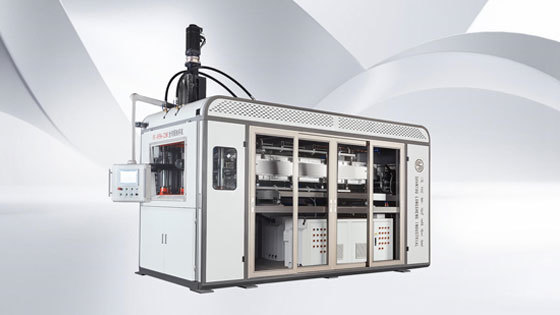
Bioplastic manufacturing machines typically include several key components: extruders, injection molding machines, and blow molding machines. These machines are designed to process biodegradable materials, such as polylactic acid (PLA), polyhydroxyalkanoates (PHA), and other bio-based polymers. The manufacturing process often begins with the compounding of raw materials, where biopolymers are blended with additives to enhance their properties. This step is crucial for achieving desired characteristics, such as flexibility, strength, and thermal stability.
Once the raw materials are prepared, the next step involves extrusion, where the compounded materials are melted and formed into continuous shapes. Extruders equipped with advanced temperature control systems ensure consistent processing conditions, which is vital for maintaining the quality of the bioplastic. After extrusion, the material can be cut into pellets or moved directly to molding processes, depending on the desired final product.
Injection molding is another common method used in bioplastic manufacturing. This process allows for the creation of intricate shapes and designs with high precision. Manufacturers can leverage specialized injection molding machines that are compatible with bioplastics to produce a wide range of items, from packaging to consumer goods. The versatility of bioplastic manufacturing machines makes them an attractive option for businesses looking to diversify their product offerings.
Blow molding is also employed in bioplastic production, especially for creating hollow objects like bottles and containers. This process involves inflating a hot plastic tube inside a mold to form the final shape. The ability to utilize bioplastic feedstock in blow molding processes expands the potential applications of bioplastics, further encouraging their adoption in various industries.
Investing in bioplastic manufacturing machines not only aligns with environmental goals but can also improve a company’s market positioning. With an increasing consumer demand for sustainable products, manufacturers who adopt bioplastics stand to benefit from enhanced brand reputation and customer loyalty.
In conclusion, bioplastic manufacturing machines represent a significant advancement in the plastic processing industry. By understanding the technology and processes involved, manufacturers can drive innovation, promote sustainability, and respond effectively to market demands. Embracing bioplastics is not just a trend; it is a strategic move towards a greener future in manufacturing.
Related News
Contact Us
China Shantou Longsheng Industry Co., Ltd.
Address:No.44 Xigang Road, Shantou, Guangdong, China
Mob: +86-13302710116
Shiela:+86-15362312727
E-mail: longshengmachine@gmail.com



TikTok