

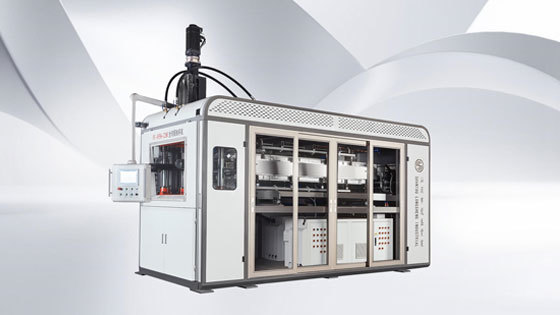



WELCOME TO SHANTOU
Innovative Technologies in Plastic Sheet Extruder Machines: Revolutionizing the Industry
Time: 2025-02-01 13:40:22.836
Innovative Technologies in Plastic Sheet Extruder Machines Table of Contents Introduction to Plastic Sheet Extruder Machines The Role of Technology in Plastic Manufacturing Advancements in Extruder Design Energy Efficiency Innovations in Extrusion Sustainable Materials and Processes Automation and Industry 4.0 in Extrusion Quality Control Technologies in Extrusion
Innovative Technologies in Plastic Sheet Extruder Machines
Table of Contents
- Introduction to Plastic Sheet Extruder Machines
- The Role of Technology in Plastic Manufacturing
- Advancements in Extruder Design
- Energy Efficiency Innovations in Extrusion
- Sustainable Materials and Processes
- Automation and Industry 4.0 in Extrusion
- Quality Control Technologies in Extrusion
- Future Trends in Plastic Sheet Extrusion
- Frequently Asked Questions
- Conclusion
Introduction to Plastic Sheet Extruder Machines
Plastic sheet extruder machines have become indispensable in various industries, from packaging to automotive. These machines convert raw plastic materials into sheets of different thicknesses and widths, offering versatility and efficiency. As manufacturers strive to enhance production capabilities while minimizing costs, the integration of innovative technologies becomes crucial. This article delves into the revolutionary advancements in plastic sheet extruder machines, highlighting how they are shaping the future of manufacturing.
The Role of Technology in Plastic Manufacturing
In the plastic manufacturing sector, technology serves as a catalyst for innovation and productivity. Effective use of technology can streamline operations, reduce waste, and enhance product quality. The advent of advanced computer systems and software allows for better control over the extrusion process, resulting in consistent output and reduced defects. Additionally, technologies such as artificial intelligence (AI) and machine learning are beginning to play a significant role in optimizing production parameters and maintenance schedules.
Advancements in Extruder Design
Modern plastic sheet extruder machines feature advanced designs that cater to specific manufacturing needs.
Co-Extrusion Technologies
Co-extrusion technology allows manufacturers to create multi-layered sheets with varying properties. By combining different materials in a single extrusion process, businesses can produce sheets that offer enhanced barrier properties, improved durability, and aesthetic appeal. This technology is particularly beneficial in packaging applications where protecting contents from external factors is critical.
Innovative Screw Designs
The design of the screw in an extruder is vital for achieving efficient material processing. Recent innovations in screw geometry have improved the melting and mixing of polymer materials, leading to better product consistency and reduced energy consumption. These advancements allow manufacturers to process a wider range of materials, including recycled plastics, with greater ease.
Energy Efficiency Innovations in Extrusion
As energy costs continue to rise, manufacturers are increasingly focused on reducing energy consumption in their operations.
High-Efficiency Motors
The integration of high-efficiency motors in extruder machines significantly reduces energy usage. These motors consume less electricity while delivering the same or higher levels of performance compared to traditional motors. This innovation not only decreases operational costs but also contributes to a more sustainable manufacturing process.
Heat Recovery Systems
Heat recovery systems enable extruders to capture and reuse waste heat generated during the extrusion process. By employing these systems, manufacturers can lower their energy requirements and improve overall efficiency. This technology is particularly beneficial in large-scale operations where even modest energy savings can translate into substantial cost reductions.
Sustainable Materials and Processes
Sustainability has become a central theme in manufacturing, and the plastic extrusion industry is no exception.
Biodegradable Plastics
The development of biodegradable plastics presents an opportunity for manufacturers to meet growing consumer demand for eco-friendly products. These materials break down more easily in the environment, reducing the long-term impact of plastic waste. The incorporation of biodegradable resins in sheet extrusion processes is becoming increasingly common.
Recycling Technologies
Innovative recycling technologies enable the use of post-consumer recycled (PCR) plastics in the production of new sheets. This not only conserves natural resources but also minimizes the environmental footprint of manufacturing. Advanced extruder configurations can efficiently process recycled materials, ensuring high-quality output that meets industry standards.
Automation and Industry 4.0 in Extrusion
The rise of Industry 4.0 has ushered in a new era of automation in manufacturing.
Smart Extrusion Systems
Smart extrusion systems equipped with sensors and IoT (Internet of Things) technology enable real-time monitoring and control of the extrusion process. These systems can detect variances in material properties or production parameters, allowing for instant adjustments to maintain product quality. This level of automation reduces the need for manual intervention and minimizes the risk of human error.
Predictive Maintenance
Predictive maintenance algorithms analyze data from machine sensors to forecast potential equipment failures before they occur. This proactive approach ensures that extruder machines operate at peak efficiency while reducing downtime and maintenance costs. By anticipating issues, manufacturers can schedule maintenance during non-productive periods, further enhancing overall productivity.
Quality Control Technologies in Extrusion
Maintaining high product quality is essential in the competitive plastic manufacturing landscape.
Real-Time Quality Monitoring
Innovative quality monitoring technologies use advanced imaging systems to inspect sheets in real-time. These systems identify defects such as surface irregularities or variations in thickness, allowing for immediate corrective actions. By implementing real-time monitoring, manufacturers can maintain stringent quality standards and reduce waste.
Automated Testing Procedures
Automated testing procedures assess the physical and chemical properties of extruded sheets, ensuring they meet specified standards. These technologies streamline the quality assurance process, enabling faster feedback loops and reducing the time required for manual inspections.
Future Trends in Plastic Sheet Extrusion
As the plastic manufacturing industry evolves, several trends are expected to shape the future of plastic sheet extrusion.
Integration of Artificial Intelligence
AI is poised to revolutionize the extrusion process by enabling smart decision-making based on data analytics. Manufacturers will increasingly leverage AI algorithms to optimize production schedules, manage supply chains, and improve overall operational efficiency.
Increased Use of Recycled Materials
The trend toward sustainability is likely to drive further innovations in recycling technologies, leading to an increased use of recycled materials in the production of plastic sheets. As technology advances, manufacturers will be able to incorporate higher percentages of recycled content without compromising quality.
Frequently Asked Questions
1. What are plastic sheet extruder machines used for?
Plastic sheet extruder machines are used to produce plastic sheets for various applications, including packaging, construction, automotive parts, and more.
2. How do advancements in technology improve plastic sheet extrusion?
Advancements in technology enhance plastic sheet extrusion by increasing efficiency, reducing energy consumption, improving material quality, and enabling the use of sustainable materials.
3. What is co-extrusion technology?
Co-extrusion technology allows for the production of multi-layered plastic sheets by combining different materials in a single extrusion process, improving product functionality and performance.
4. How does automation affect plastic sheet extrusion?
Automation enhances plastic sheet extrusion by enabling real-time monitoring, predictive maintenance, and reduced manual intervention, leading to improved efficiency and product quality.
5. What are the benefits of using biodegradable plastics in extrusion?
Using biodegradable plastics in extrusion helps reduce environmental impact, meets consumer demand for sustainable products, and aligns with regulatory requirements on plastic waste.
Conclusion
The plastic sheet extrusion industry is undergoing a transformative phase, driven by innovative technologies that enhance efficiency, sustainability, and product quality. As manufacturers embrace advancements in design, energy efficiency, automation, and quality control, they position themselves for success in a rapidly evolving market. By staying ahead of these trends, businesses can not only improve their operational performance but also contribute to a more sustainable future for the plastic manufacturing industry. The integration of these technologies will undoubtedly set the stage for the next generation of plastic sheet extruder machines, ensuring they remain vital tools in modern manufacturing.
Related News
Contact Us
China Shantou Longsheng Industry Co., Ltd.
Address:No.44 Xigang Road, Shantou, Guangdong, China
Mob: +86-13302710116
Shiela:+86-15362312727
E-mail: longshengmachine@gmail.com


TikTok