



WELCOME TO SHANTOU
Unlocking Efficiency: The Benefits of Multi-Station Thermoforming Machines
Time: 2025-02-28 13:40:43.470
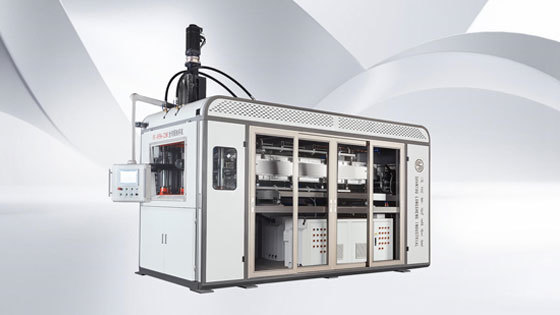
In the realm of plastic processing machinery, the multi-station thermoforming machine stands out as a pivotal innovation that enhances manufacturing efficiency and flexibility. This type of machine is designed to shape plastic sheets into various forms through a combination of heat and pressure. By utilizing multiple stations, these machines streamline the production process, allowing for more com
One of the most significant advantages of multi-station thermoforming machines is their ability to perform several operations simultaneously. For instance, while one station is heating the plastic sheet, another can be molding it, and yet another could be trimming the final product. This parallel processing not only speeds up production times but also minimizes downtime, which is a critical factor in meeting tight production schedules. By significantly increasing throughput, manufacturers can respond more swiftly to market demands, thus enhancing their competitive edge.
Another key benefit is the reduction of material waste. Traditional thermoforming methods often result in excess scrap, especially during the trimming phase. However, the design of multi-station machines allows for precise cuts and optimized material usage, reducing waste and lowering production costs. This efficiency is particularly vital in industries where margins are tight and sustainability is a growing concern. The reduction of waste also aligns with environmental goals, promoting greener manufacturing practices.
Versatility is another hallmark of multi-station thermoforming machines. These machines can handle a wide variety of materials, including various grades of plastic, which broadens the scope of applications. This adaptability allows manufacturers to produce everything from packaging materials to complex shapes used in automotive and aerospace industries. The ability to switch between different products with minimal setup changes further enhances operational flexibility, making these machines an invaluable asset for manufacturers looking to diversify their offerings.
In addition, advancements in technology have led to improved control systems in multi-station thermoforming machines. These modern systems often come equipped with user-friendly interfaces and automated features that enhance precision and minimize human error. This level of automation not only improves the overall quality of the final product but also allows operators to focus on monitoring the process rather than manually adjusting parameters.
In conclusion, the multi-station thermoforming machine represents a significant leap forward in the plastic processing industry. Its ability to increase efficiency, reduce material waste, and provide versatility makes it an essential tool for modern manufacturers. As companies continue to seek ways to optimize their production processes, investing in a multi-station thermoforming machine could be a strategic move that yields substantial benefits. Embracing this technology not only enhances production capabilities but also aligns with the broader trend towards sustainable and efficient manufacturing practices.
Related News
Contact Us
China Shantou Longsheng Industry Co., Ltd.
Address:No.44 Xigang Road, Shantou, Guangdong, China
Mob: +86-13302710116
Shiela:+86-15362312727
E-mail: longshengmachine@gmail.com


TikTok