




WELCOME TO SHANTOU
Understanding the Plastic Sheet Extrusion Process: A Comprehensive Overview
Time: 2025-03-03 13:20:22.389
Understanding the Plastic Sheet Extrusion Process: A Comprehensive Overview The plastic sheet extrusion process is a crucial manufacturing technique that transforms raw plastic materials into usable sheets for various applications. This comprehensive overview delves into the intricacies of the plastic sheet extrusion process, exploring the machinery, materials, and methodologies involved. Our goal
Understanding the Plastic Sheet Extrusion Process: A Comprehensive Overview
The plastic sheet extrusion process is a crucial manufacturing technique that transforms raw plastic materials into usable sheets for various applications. This comprehensive overview delves into the intricacies of the plastic sheet extrusion process, exploring the machinery, materials, and methodologies involved. Our goal is to provide a clear understanding of how this process works, its applications, and best practices to optimize production quality.
Table of Contents
- 1. Introduction to Plastic Sheet Extrusion
- 2. The Science Behind Plastic Extrusion
- 3. The Plastic Extrusion Process Step-by-Step
- 3.1 Pre-Processing of Raw Materials
- 3.2 Melting and Extrusion
- 3.3 Cooling and Solidification
- 3.4 Cutting and Finishing
- 4. Machinery Used in Plastic Sheet Extrusion
- 5. Applications of Plastic Sheets in Various Industries
- 6. Best Practices for Optimizing the Extrusion Process
- 7. Common Challenges in Plastic Sheet Extrusion
- 8. FAQs About the Plastic Sheet Extrusion Process
- 9. Conclusion
1. Introduction to Plastic Sheet Extrusion
Plastic sheet extrusion is a method used to produce flat plastic sheets in various thicknesses, shapes, and sizes. This versatile process is employed across numerous industries, including packaging, construction, automotive, and electronics. By understanding the plastic sheet extrusion process, businesses can improve their manufacturing efficiency and product quality.
2. The Science Behind Plastic Extrusion
The plastic extrusion process involves several scientific principles that govern the behavior of polymer materials under heat and pressure. Understanding these principles is essential for those involved in manufacturing plastic sheets.
2.1 Types of Extrusion Processes
There are various types of extrusion processes, including:
- **Single-Screw Extrusion**: The most common type, where a single screw transports and melts the plastic material.
- **Twin-Screw Extrusion**: Utilizes two intermeshing screws, offering better mixing and compound effectiveness, ideal for complex formulations.
- **Co-extrusion**: Involves multiple extruders to produce sheets with different layers, allowing for enhanced functionality.
2.2 Key Materials Used in Plastic Sheet Extrusion
The choice of materials in the plastic sheet extrusion process significantly affects the final product's performance. Common materials include:
- **Polyvinyl Chloride (PVC)**: Known for its versatility and durability, commonly used in construction applications.
- **Polyethylene (PE)**: Lightweight and flexible, ideal for packaging and disposable products.
- **Polypropylene (PP)**: Offers excellent chemical resistance and is widely used in automotive and industrial applications.
3. The Plastic Extrusion Process Step-by-Step
Understanding the plastic sheet extrusion process requires a look at the individual steps involved. Each stage is crucial for ensuring quality and efficiency.
3.1 Pre-Processing of Raw Materials
The process begins with the pre-processing of raw materials, which includes:
- **Drying**: Removing moisture from plastic pellets to prevent defects in the final product.
- **Coloring and Additives**: Incorporating colors and additives to enhance properties like UV resistance and flame retardancy.
3.2 Melting and Extrusion
In this critical stage, the raw materials are fed into the extruder, where they are heated to their melting point. The melted plastic is then forced through a die, forming a continuous sheet.
3.3 Cooling and Solidification
After extrusion, the hot sheet is rapidly cooled using air or water to solidify it. This step is vital to maintain the sheet's dimensions and prevent warping.
3.4 Cutting and Finishing
The final stage involves cutting the cooled sheet to the desired size. Additional finishing processes, such as trimming and surface treatment, may also be included to enhance the product's appearance and functionality.
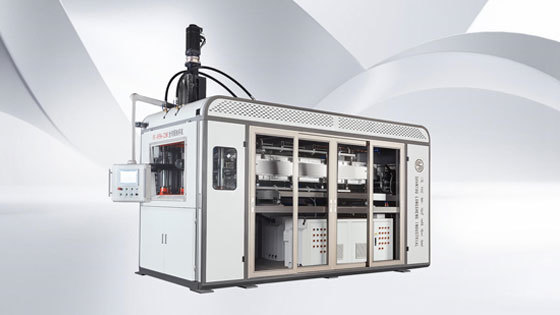
4. Machinery Used in Plastic Sheet Extrusion
The plastic sheet extrusion process relies on specific machinery that plays a vital role in production efficiency.
4.1 Extruders
Extruders are the heart of the extrusion process. They consist of a hopper, barrel, and screw. The screw rotates, moving the material through the barrel while applying heat and pressure to melt the plastic.
4.2 Auxiliary Equipment
In addition to extruders, various auxiliary equipment is essential for the extrusion process, including:
- **Cooling Tanks**: Help in the rapid cooling of extruded sheets.
- **Cutters**: Provide precision cutting to meet specific size requirements.
- **Winders**: For rolling and storing the finished sheets.
5. Applications of Plastic Sheets in Various Industries
Plastic sheets produced through extrusion find applications in numerous industries:
- **Packaging**: Used for food containers, protective films, and labels.
- **Construction**: Employed in window frames, roofing, and insulation materials.
- **Automotive**: Utilized in interior panels, dashboards, and exterior components.
- **Electronics**: Used in housings, insulation, and protective coverings.
6. Best Practices for Optimizing the Extrusion Process
To achieve high-quality plastic sheets, manufacturers should adhere to best practices, including:
- **Regular Maintenance**: Ensuring equipment is well-maintained minimizes downtime and defects.
- **Quality Control**: Implementing rigorous quality control protocols helps maintain consistent product standards.
- **Training**: Providing training for operators on the latest techniques and technologies can enhance efficiency.
7. Common Challenges in Plastic Sheet Extrusion
Manufacturers often face several challenges in the extrusion process, including:
- **Material Variability**: Fluctuations in raw material quality can lead to defects.
- **Temperature Control**: Maintaining consistent temperatures is crucial to avoid product inconsistencies.
- **Equipment Malfunction**: Breakdowns can disrupt production schedules and lead to losses.
8. FAQs About the Plastic Sheet Extrusion Process
- What is plastic sheet extrusion? - It is a manufacturing process that transforms raw plastic materials into flat sheets using heat and pressure.
- What materials are used in plastic sheet extrusion? - Common materials include PVC, PE, and PP.
- What are the main steps in the extrusion process? - The process involves pre-processing, melting, cooling, and cutting.
- What types of machinery are used in plastic extrusion? - Key machinery includes extruders, cooling tanks, and cutters.
- What industries utilize plastic sheets? - Industries include packaging, construction, automotive, and electronics.
9. Conclusion
Understanding the plastic sheet extrusion process is essential for anyone involved in the manufacturing of plastic products. By grasping the intricacies of the process, the types of materials used, and the machinery involved, manufacturers can optimize production efficiency, enhance product quality, and respond to market demands effectively. Continuous improvement and adherence to best practices will ensure that businesses remain competitive in this ever-evolving industry. The plastic sheet extrusion process not only provides numerous applications but also contributes significantly to innovation across various sectors.
Related News
Contact Us
China Shantou Longsheng Industry Co., Ltd.
Address:No.44 Xigang Road, Shantou, Guangdong, China
Mob: +86-13302710116
Shiela:+86-15362312727
E-mail: longshengmachine@gmail.com



TikTok