



WELCOME TO SHANTOU
Unlocking the Potential of Multi-Station Thermoforming Machines: A Guide for Manufacturers
Time: 2025-03-30 13:00:19.216
In the manufacturing sector, especially within plastic processing, the efficiency and flexibility of production equipment are vital for staying competitive. Multi-station thermoforming machines represent a significant advancement in this field, offering numerous advantages for manufacturers looking to optimize their operations. A multi-station thermoforming machine is designed to produce plastic p
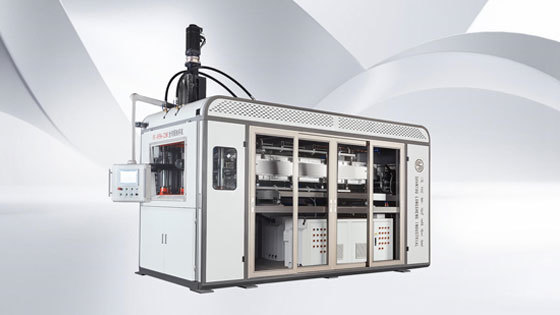
A multi-station thermoforming machine is designed to produce plastic parts through a process where sheets of plastic are heated, formed into a desired shape, and then cooled into a solid state. The unique feature of multi-station machines is their ability to simultaneously carry out multiple operations, which can significantly reduce cycle times and increase overall productivity.
One of the primary benefits of a multi-station thermoforming machine is its versatility. These machines can handle a variety of materials, including ABS, PETG, and PVC, making them suitable for a range of applications from packaging to automotive components. This flexibility allows manufacturers to adapt their production lines to meet changing market demands without the need for extensive reconfiguration.
Another advantage is the improved quality of the final products. Multi-station thermoforming machines are equipped with advanced control systems that ensure consistent temperature distribution and pressure application throughout the forming process. This precision leads to fewer defects, reduced waste, and a higher overall quality of the finished parts.
Moreover, the integration of automation in multi-station machines enhances operational efficiency. Automated feeding, forming, and cutting processes minimize manual intervention, reducing the risk of human error and further speeding up production. This automation also allows manufacturers to scale up their operations while maintaining a lower labor cost, making it an attractive option for businesses looking to grow.
Energy efficiency is another consideration for manufacturers. Many modern multi-station thermoforming machines are designed with energy-saving features, such as optimized heating elements and insulation technologies. This not only reduces operational costs but also supports sustainability efforts by lowering the carbon footprint of the production process.
Lastly, maintenance and support are crucial aspects when investing in a multi-station thermoforming machine. Regular maintenance ensures optimal performance and longevity of the equipment. Manufacturers should consider establishing a relationship with reputable service providers who can offer timely support and maintenance solutions.
In conclusion, multi-station thermoforming machines hold immense potential for manufacturers in the plastic processing industry. Their versatility, improved product quality, automation capabilities, energy efficiency, and maintenance support make them an invaluable asset. By leveraging these machines, manufacturers can enhance their production processes, meet customer demands more effectively, and position themselves competitively in the market.
Related News
Contact Us
China Shantou Longsheng Industry Co., Ltd.
Address:No.44 Xigang Road, Shantou, Guangdong, China
Mob: +86-13302710116
Shiela:+86-15362312727
E-mail: longshengmachine@gmail.com



TikTok