



WELCOME TO SHANTOU
The Environmental Impact of Customized Plastic Thermoforming Machines: A Comprehensive Analysis
Time: 2025-12-06 12:10:02.651
The Environmental Impact of Customized Plastic Thermoforming Machines Introduction to Plastic Thermoforming Plastic thermoforming is a manufacturing process that shapes plastic materials using heat and pressure to form a wide range of products. This process is pivotal in industries such as packaging, automotive, and consumer goods, where customized solutions are increasingly in demand. As we nav
The Environmental Impact of Customized Plastic Thermoforming Machines
Introduction to Plastic Thermoforming
Plastic thermoforming is a manufacturing process that shapes plastic materials using heat and pressure to form a wide range of products. This process is pivotal in industries such as packaging, automotive, and consumer goods, where customized solutions are increasingly in demand. As we navigate the complexities of modern manufacturing, it is essential to understand the environmental implications of these customized machines.
Understanding Customized Plastic Thermoforming Machines
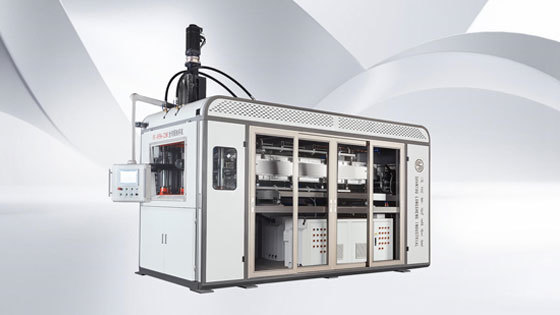
Customized plastic thermoforming machines are designed to cater to specific production requirements. Unlike standard machines, these innovations allow manufacturers to tailor their operations to produce unique shapes and sizes. The customization aspect not only enhances product quality but also plays a significant role in optimizing resource use.
The Process of Thermoforming
The thermoforming process involves several key steps:
1. **Material Selection**: Choosing the right type of plastic is crucial for optimizing performance and sustainability.
2. **Heating**: The selected plastic sheet is heated to a pliable temperature.
3. **Molding**: The heated sheet is then formed over a mold using vacuum or pressure.
4. **Cooling**: Once formed, the plastic is cooled, solidifying its shape.
5. **Trimming**: Excess material is trimmed to achieve the final product.
Environmental Challenges in Plastic Manufacturing
While plastic thermoforming offers numerous advantages, it also poses environmental challenges. The primary concerns include:
- **Plastic Waste**: The production process generates scrap material, which can contribute to landfill waste if not properly managed.
- **Resource Consumption**: The energy required for heating and processing plastics can be significant, leading to higher carbon footprints.
- **Chemical Emissions**: Some plastics release harmful chemicals during production and disposal, impacting air and water quality.
The Role of Customization in Reducing Waste
One of the key benefits of customized plastic thermoforming machines is their potential to minimize waste. By tailoring the production process, manufacturers can optimize material usage and reduce excess scrap. Here’s how customization contributes to sustainability:
Optimized Material Usage
Customized machines can produce products that precisely meet client specifications, which reduces the need for additional processing or adjustments. This precision minimizes the waste generated during the manufacturing phase.
Increased Efficiency
Customized machines often feature advanced technology, such as automated controls and real-time monitoring, which enhance production efficiency. These efficiencies lead to lower energy consumption and reduced operational costs, further contributing to sustainability.
Innovative Solutions for Eco-Friendly Manufacturing
The push for sustainability in manufacturing has led to various innovative solutions in the realm of customized plastic thermoforming:
Biodegradable and Recyclable Materials
Manufacturers are increasingly exploring biodegradable and recyclable materials to replace traditional plastics. Utilizing such materials not only reduces the environmental impact but also aligns with consumer demand for eco-friendly products.
Energy-Efficient Machinery
Investing in energy-efficient thermoforming machines can significantly lower energy consumption. These machines are designed to operate at optimal efficiency, reducing the carbon footprint associated with the production process.
Closed-Loop Systems
Implementing closed-loop systems allows manufacturers to recycle waste materials back into the production process. This reduces the need for virgin materials and minimizes overall waste, promoting a circular economy.
The Impact of Regulations and Standards
As awareness of environmental issues grows, governments and organizations are implementing stricter regulations regarding plastic production and waste management. Compliance with these regulations is essential for manufacturers to maintain their operational licenses and reputation.
ISO Standards for Environmental Management
ISO 14001 is an international standard that specifies requirements for an effective environmental management system. Implementing ISO standards can help manufacturers improve their environmental performance while gaining a competitive advantage in the market.
Government Initiatives and Incentives
Various governments offer incentives for companies that adopt sustainable practices. This can include tax breaks, grants, and other financial benefits for those who invest in eco-friendly technologies.
Case Studies: Successful Implementation of Customized Plastic Thermoforming Machines
Examining real-world applications of customized thermoforming machines reveals their potential for reducing environmental impact.
Case Study 1: Eco-Friendly Packaging Solutions
A leading packaging manufacturer implemented customized thermoforming machines to produce biodegradable packaging. By switching to biodegradable materials and optimizing their production process, the company reduced its plastic waste by 40% within a year.
Case Study 2: Automotive Industry Innovations
An automotive parts supplier utilized customized thermoforming technology to create lightweight components. The resulting reduction in vehicle weight led to decreased fuel consumption and lower emissions, showcasing the environmental benefits of innovation in manufacturing.
Future Trends in Sustainable Thermoforming Technologies
As technology evolves, the future of customized plastic thermoforming machines looks promising. Key trends include:
Smart Manufacturing Technologies
The integration of IoT (Internet of Things) technologies will enable real-time monitoring and analytics, allowing manufacturers to optimize their processes further and reduce waste.
Advancements in Material Science
New developments in material science will lead to the creation of more sustainable plastics, enhancing the environmental performance of thermoforming processes.
Frequently Asked Questions (FAQs)
1. What are the environmental benefits of using customized plastic thermoforming machines?
Customized machines optimize material use, reduce waste, and enhance energy efficiency, contributing to lower environmental impact.
2. How can manufacturers ensure compliance with environmental regulations?
Staying updated with regulations, investing in training, and implementing ISO standards can help manufacturers remain compliant.
3. Are biodegradable materials a viable alternative for thermoforming?
Yes, biodegradable materials are increasingly being developed and can provide eco-friendly alternatives to traditional plastics.
4. What role does energy efficiency play in sustainability?
Energy-efficient machines consume less power, resulting in lower carbon emissions and reduced operational costs.
5. How can closed-loop systems benefit plastic manufacturers?
Closed-loop systems recycle waste materials back into production, minimizing waste and reliance on virgin resources, promoting sustainability.
Conclusion
The environmental impact of customized plastic thermoforming machines is a complex but crucial topic in today’s manufacturing landscape. By embracing sustainability through innovative technologies, efficient processes, and regulatory compliance, manufacturers can significantly reduce their ecological footprint. As the industry continues to evolve, it is essential for stakeholders to remain committed to eco-friendly practices that not only meet consumer demands but also contribute to the well-being of our planet. The shift towards customized solutions presents an opportunity to foster sustainability while maintaining competitive advantage in a rapidly changing market.
Related News
Contact Us
China Shantou Longsheng Industry Co., Ltd.
Address:No.44 Xigang Road, Shantou, Guangdong, China
Mob: +86-13302710116
Shiela:+86-15362312727
E-mail: longshengmachine@gmail.com



TikTok