



WELCOME TO SHANTOU
How a Cup Thermoforming Machine Can Revolutionize Your Manufacturing Process
Time: 2024-12-20 14:20:27.552
How a Cup Thermoforming Machine Can Revolutionize Your Manufacturing Process In today's fast-paced manufacturing landscape, staying competitive requires constant innovation and adaptation. One of the most significant advancements in manufacturing technology is the cup thermoforming machine. This powerful tool has the potential to revolutionize your production process, offering numerous benefits th
How a Cup Thermoforming Machine Can Revolutionize Your Manufacturing Process
In today's fast-paced manufacturing landscape, staying competitive requires constant innovation and adaptation. One of the most significant advancements in manufacturing technology is the cup thermoforming machine. This powerful tool has the potential to revolutionize your production process, offering numerous benefits that can enhance efficiency, reduce costs, and improve product quality. In this article, we will explore how incorporating a cup thermoforming machine can transform your manufacturing capabilities.
Understanding Cup Thermoforming Technology
What is Cup Thermoforming?
Cup thermoforming is a manufacturing process that involves heating plastic sheets until they become pliable and then forming them into specific shapes, such as cups, by using a mold. This process allows for the efficient production of a variety of cup shapes and sizes, catering to diverse industrial needs.
The Advantages of Thermoforming Over Other Methods
Compared to other plastic forming techniques, thermoforming offers several advantages. It is often faster, more cost-effective, and requires less energy. Additionally, thermoforming can produce lightweight yet durable products, making it ideal for industries ranging from food and beverage to pharmaceuticals.
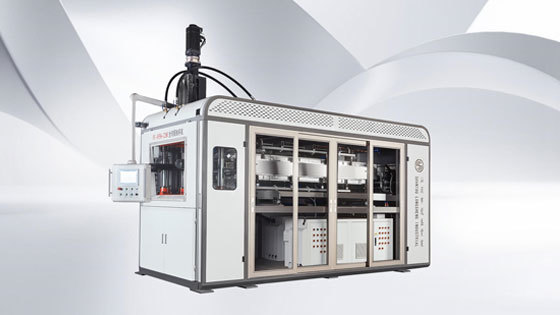
The Key Components of a Cup Thermoforming Machine
Heating System
The heating system is a crucial component of a cup thermoforming machine. It is designed to uniformly heat plastic sheets to ensure optimal pliability. Advanced machines utilize infrared heaters or convection ovens to achieve precise temperature control, which is vital for consistent product quality.
Forming Station
The forming station is where the heated plastic sheets are shaped into cups. This is typically achieved using a combination of vacuum and pressure techniques to ensure the material conforms perfectly to the mold. Some modern machines feature automatic mold change systems, allowing for quick adjustments to produce varying cup sizes without significant downtime.
Cooling and Trimming Units
Once the cups have been formed, they must be cooled to retain their shape. Cooling units use chilled air or water sprays to expedite this process. Following cooling, the trimming unit removes excess material, ensuring that the final product meets specifications. This stage can also include additional quality checks to maintain high standards.
How Cup Thermoforming Machines Enhance Manufacturing Efficiency
Speed and Scalability
One of the most significant benefits of cup thermoforming machines is their ability to produce large quantities of products quickly. With high-speed operation capabilities, these machines can produce thousands of cups per hour, making them ideal for high-demand production environments. Furthermore, the scalability of thermoforming processes means that manufacturers can easily adjust production levels based on market demand.
Reduced Labor Costs
Automating the cup production process reduces reliance on manual labor, leading to significant labor cost savings. Advanced features such as automatic feeding, forming, and trimming processes diminish the need for extensive workforce management while also minimizing human error.
Minimized Material Waste
Thermoforming is known for its efficiency regarding material usage. The ability to recycle scrap material directly back into the production line means that manufacturers can significantly reduce waste. This not only contributes to cost savings but also aligns with sustainability goals, which are increasingly important in today’s market.
Improving Product Quality and Consistency
Precision and Accuracy
Modern cup thermoforming machines are equipped with advanced technology that ensures precise control over the forming process. This level of precision means that manufacturers can produce cups with consistent thickness and shape, which is crucial for maintaining product quality and meeting regulatory standards.
Design Flexibility
An added advantage of cup thermoforming is the flexibility it offers in design. Manufacturers can experiment with various shapes, sizes, and materials, allowing for innovation and customization that meet specific customer requirements. This capability is particularly beneficial in competitive markets, where differentiation is key.
Implementing Cup Thermoforming Machines in Your Manufacturing Process
Choosing the Right Machine for Your Needs
When considering the addition of a cup thermoforming machine to your production line, evaluate your specific needs. Factors such as production volume, cup size, and material types should guide your decision. Working with a reputable supplier can help ensure you select the best machine for your operations.
Training Your Workforce
Successful implementation of a cup thermoforming machine requires adequate training for your workforce. Providing staff with comprehensive training on machine operation, maintenance, and safety protocols is essential for maximizing productivity and minimizing downtime.
Maintenance and Support
Regular maintenance is crucial for the longevity of any machine. Establish a preventive maintenance schedule that includes routine inspections and timely repairs. Additionally, ensure that your supplier offers robust support services to address any technical issues that may arise.
Case Studies: Businesses That Thrived with Cup Thermoforming Machines
Industry Example: Beverage Packaging
A leading beverage company implemented cup thermoforming technology to enhance its packaging operations. By switching from traditional methods to thermoforming, the company significantly increased production speed and reduced material costs. The result was not only a higher output but also a notable improvement in product quality and sustainability practices.
Industry Example: Food Service
A food service provider adopted cup thermoforming machines to produce disposable food containers. The ability to create customized designs led to increased market appeal. Moreover, the efficient production process allowed the company to scale operations rapidly, responding effectively to surges in demand during peak seasons.
Future Trends in Cup Thermoforming Technology
Integration of Smart Technology
The future of cup thermoforming machines is leaning toward smart technology and automation. Internet of Things (IoT) features, such as remote monitoring and diagnostic tools, are becoming increasingly prevalent. These advancements enable manufacturers to optimize performance and reduce downtime significantly.
Sustainability Initiatives
As environmental consciousness grows, manufacturers are seeking ways to incorporate sustainable practices into their operations. Innovations in biodegradable materials and energy-efficient machinery will shape the future of cup thermoforming, appealing to eco-aware consumers and regulatory bodies alike.
Frequently Asked Questions (FAQs)
1. What types of materials can be used in cup thermoforming?
Common materials for cup thermoforming include polystyrene (PS), polypropylene (PP), and polyethylene terephthalate (PET). Each material offers unique properties suitable for different applications.
2. How does cup thermoforming impact sustainability?
Cup thermoforming contributes to sustainability by minimizing waste, allowing for the use of recyclable materials, and enabling the production of lightweight products that require less energy for transportation.
3. Can cup thermoforming machines produce custom designs?
Yes, cup thermoforming machines offer design flexibility, allowing manufacturers to create custom shapes and sizes based on specific customer requirements.
4. What are the maintenance requirements for cup thermoforming machines?
Regular maintenance includes cleaning, lubrication, and inspections of heating elements, forming components, and cooling systems. Following the manufacturer's guidelines is essential for optimal performance.
5. How do I know if a cup thermoforming machine is right for my business?
Evaluate your production needs, volume requirements, and budget constraints. Consulting with industry experts and suppliers can help determine if a cup thermoforming machine aligns with your operational goals.
Conclusion
Incorporating a cup thermoforming machine into your manufacturing process can lead to significant improvements in efficiency, cost savings, and product quality. As industries continuously evolve, embracing cutting-edge technologies like thermoforming will be essential for staying competitive. By investing in this innovative machinery, businesses can enhance their production capabilities, meet consumer demands, and position themselves as leaders in their respective markets. The future of manufacturing lies in revolutionizing processes, and cup thermoforming machines are at the forefront of this transformation.
Related News
Contact Us
China Shantou Longsheng Industry Co., Ltd.
Address:No.44 Xigang Road, Shantou, Guangdong, China
Mob: +86-13302710116
Shiela:+86-15362312727
E-mail: longshengmachine@gmail.com



TikTok