



WELCOME TO SHANTOU
Understanding PP Thermoforming Machines: Key Insights for Efficient Plastic Processing
Time: 2025-01-23 15:40:12.431
PP thermoforming machines play a crucial role in the plastic processing sector, enabling the transformation of polypropylene (PP) sheets into a variety of shapes and products through a heating and molding process. These machines utilize heat to soften the PP material, which is then formed into desired shapes using molds. This method is widely adopted due to its efficiency and versatility in creati
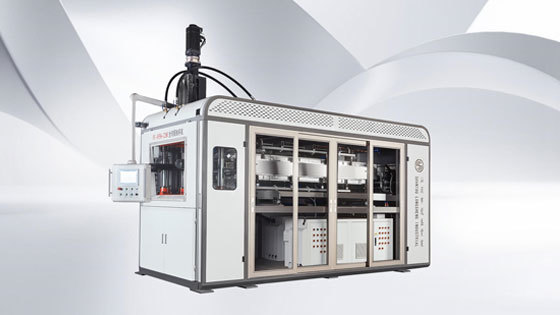
PP thermoforming machines play a crucial role in the plastic processing sector, enabling the transformation of polypropylene (PP) sheets into a variety of shapes and products through a heating and molding process. These machines utilize heat to soften the PP material, which is then formed into desired shapes using molds. This method is widely adopted due to its efficiency and versatility in creating items ranging from packaging materials to automotive components.
The operation of a PP thermoforming machine begins with the heating of the PP sheet to a temperature where it becomes pliable. Once at the appropriate temperature, the sheet is drawn over or into a mold using vacuum or pressure methods. The cooling of the formed plastic solidifies it into the desired shape. The entire process is highly controllable, allowing manufacturers to adjust variables such as temperature, pressure, and cooling time to achieve optimal results.
One of the notable advantages of using a PP thermoforming machine is its ability to produce lightweight yet durable products. Polypropylene is known for its excellent chemical resistance, making it suitable for various applications, including food packaging, medical supplies, and automotive parts. Additionally, the thermoforming process is generally more energy-efficient compared to other manufacturing methods, which translates into reduced operating costs and a lower environmental impact.
Moreover, the versatility of thermoforming extends to its compatibility with various types of molds and tooling. This flexibility enables manufacturers to create customized solutions tailored to specific industry needs. For instance, the ability to quickly switch between different molds allows for rapid production changes, which is particularly beneficial in industries where product demand fluctuates.
Another important aspect of PP thermoforming machines is their automation capabilities. Many modern machines come equipped with advanced technology that enhances precision and reduces manual labor. Features such as programmable settings and real-time monitoring systems facilitate consistent product quality and minimize waste during production.
In summary, PP thermoforming machines are vital tools in the manufacturing and processing of plastic products. Their efficiency, versatility, and adaptability to various applications make them a preferred choice for many industries. By understanding the operational principles and benefits of these machines, manufacturers can leverage them to optimize their production processes, enhance product quality, and meet the ever-increasing demands of the market.
Related News
Contact Us
China Shantou Longsheng Industry Co., Ltd.
Address:No.44 Xigang Road, Shantou, Guangdong, China
Mob: +86-13302710116
Shiela:+86-15362312727
E-mail: longshengmachine@gmail.com


TikTok