



WELCOME TO SHANTOU
Understanding the Benefits and Applications of PP Thermoforming Machines
Time: 2025-02-22 15:20:14.602
In the manufacturing sector, particularly in plastic processing, PP (polypropylene) thermoforming machines play a crucial role in producing a wide array of products. These machines utilize heat to soften polypropylene sheets, allowing them to be easily molded into various shapes and sizes. The versatility and efficiency of PP thermoforming machines make them essential for businesses focusing on cu
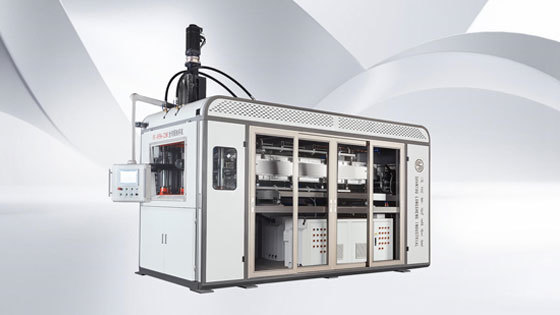
In the manufacturing sector, particularly in plastic processing, PP (polypropylene) thermoforming machines play a crucial role in producing a wide array of products. These machines utilize heat to soften polypropylene sheets, allowing them to be easily molded into various shapes and sizes. The versatility and efficiency of PP thermoforming machines make them essential for businesses focusing on custom plastic products.
One of the primary advantages of using PP thermoforming machines is their ability to create lightweight yet durable products. Polypropylene is known for its excellent impact resistance and chemical stability, making it suitable for various applications, from packaging to industrial components. The thermoforming process ensures that the final product maintains high structural integrity while minimizing material waste, an important consideration in today's environmentally conscious manufacturing landscape.
Furthermore, PP thermoforming machines are designed for high efficiency and speed, which is essential for meeting production demands. Advanced models incorporate automation and precision control systems, allowing manufacturers to optimize cycle times and reduce labor costs. This ability to produce high volumes of consistent quality parts significantly enhances productivity and profitability.
In addition to their efficiency, PP thermoforming machines offer flexibility in design. They can accommodate a range of thicknesses and sizes, enabling manufacturers to produce custom shapes tailored to specific customer needs. This adaptability is beneficial not only in traditional manufacturing but also in sectors such as automotive, food packaging, and medical devices, where specialized components are often required.
Another key benefit of PP thermoforming machines is their relatively low operating costs compared to other plastic processing methods. The energy-efficient nature of the thermoforming process, combined with the lower cost of polypropylene as a material, makes it an attractive option for businesses looking to optimize their production budgets.
Lastly, the trend toward sustainable manufacturing practices has led many companies to explore the recyclability of materials. Polypropylene is 100% recyclable, and employing PP thermoforming machines can help businesses align with green initiatives, thus appealing to environmentally conscious consumers.
In summary, PP thermoforming machines are a valuable asset in the plastic processing industry due to their efficiency, versatility, and cost-effectiveness. With the ability to produce a wide range of durable products while maintaining a commitment to sustainability, these machines are shaping the future of manufacturing in significant ways. As industries continue to evolve, investing in advanced PP thermoforming technology will be key for manufacturers aiming to stay competitive and responsive to market demands.
Related News
Contact Us
China Shantou Longsheng Industry Co., Ltd.
Address:No.44 Xigang Road, Shantou, Guangdong, China
Mob: +86-13302710116
Shiela:+86-15362312727
E-mail: longshengmachine@gmail.com


TikTok