



WELCOME TO SHANTOU
Eco-friendly points for thermoforming and cup making
Time: 2026-10-16 08:47:19.961
Thermoforming, flip-mold forming and cup making are core processes for jelly cups and food containers:
- Optimized heating for energy reduction: Ovens are the biggest power consumers in thermoforming machines. Optimized infrared heating and precise temperature control eliminate redundant heat and lower energy costs.
- Lower defect rate to save resources: High-precision molds and stable robotic feeding reduce defective products. Fewer rejects mean less raw material consumption and lower carbon footprint.
- Automated production to avoid contamination: Manipulators, automatic cup stackers and packaging machines replace manual work, reducing human contamination, cutting waste and supporting cleaner production.
Core Dilemma of Green Manufacturing: Balancing Performance, Cost and Environmental Goals
Packaging factories often face tough trade-offs:
- PET or PP: Stable product performance and lower cost, but factories need to build recycling systems to meet recyclability rules.
- PLA or corn starch biopolymers: Finished products are industrially compostable, yet raw material prices are higher, processing is harder, and recycling options are limited.
There is no universal “perfect green material”. Manufacturers need to select solutions based on target market regulations and customer demands. For European and American markets, many regions require products to be either recyclable or compost certified, while production workshops must also comply with energy consumption and emission standards.
Full Production Line Solutions for Green Manufacturing
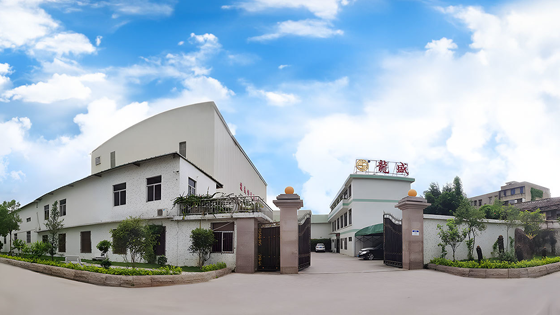
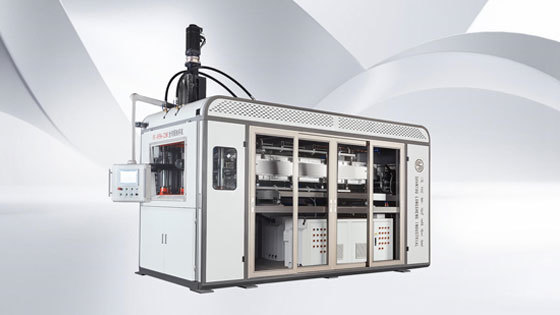
Shantou Longsheng Industrial Co., Ltd was established in 1998 and certified as a Guangdong High-Tech Enterprise with multiple invention patents. We supply complete production lines, including sheet extruders, multi-station thermoforming machines, flip-mold thermoforming machines, cup making machines, manipulators, cup stacking machines, packaging machines and custom molds. Our equipment is compatible with PET, PP, PE, PS, PLA and corn starch biodegradable materials.
Green design is built into our machinery: segmented energy-saving temperature control, compatible scrap recycling systems and optional exhaust collection devices. For PLA biodegradable materials, optimized screw and cooling systems reduce scrap rates and raw material waste. Our engineering team can design full production lines matching your capacity, energy-saving and scrap recycling targets for your packaging products.
Conclusion
Sustainability in packaging is a systematic project combining materials, manufacturing processes and end waste treatment. Simply switching to biodegradable materials does not guarantee full environmental protection. Controlling factory energy consumption without considering post-consumer waste disposal also fails to satisfy long-term sustainable development goals.
In the future, packaging manufacturers will gain competitive advantages by running flexible production lines capable of switching between conventional plastics and biodegradable materials, while achieving low energy use, minimal waste and emission-compliant green manufacturing.
Word count: ~1080
Related News
Contact Us
China Shantou Longsheng Industry Co., Ltd.
Address:No.44 Xigang Road, Shantou, Guangdong, China
Mob: +86-13302710116
Shiela:+86-15362312727
E-mail: longshengmachine@gmail.com



TikTok