



WELCOME TO SHANTOU
Comparing PVC Thermoforming Machines: Essential Insights for Optimal Selection
Time: 2025-02-25 12:20:16.058
Comparing PVC Thermoforming Machines: Essential Insights for Optimal Selection Table of Contents 1. Introduction to PVC Thermoforming Machines 2. Understanding PVC Thermoforming Technology 3. Key Components of PVC Thermoforming Machines 3.1 Heating Systems 3.2 Forming Tools 3.3 Control Systems 4. Types of PVC Thermoforming Machines 4.1 Single Station Machines 4.2 Multi-Station Machines 4.3 High-Sp
Comparing PVC Thermoforming Machines: Essential Insights for Optimal Selection
Table of Contents
1. Introduction to PVC Thermoforming Machines
2. Understanding PVC Thermoforming Technology
3. Key Components of PVC Thermoforming Machines
3.1 Heating Systems
3.2 Forming Tools
3.3 Control Systems
4. Types of PVC Thermoforming Machines
4.1 Single Station Machines
4.2 Multi-Station Machines
4.3 High-Speed Machines
5. Factors to Consider When Choosing PVC Thermoforming Machines
5.1 Production Volume
5.2 Material Compatibility
5.3 Cost and Return on Investment
6. Advantages of Investing in Quality PVC Thermoforming Machines
7. Maintenance and Support for PVC Thermoforming Machines
8. Frequently Asked Questions (FAQs)
9. Conclusion
1. Introduction to PVC Thermoforming Machines
In the dynamic landscape of plastic manufacturing, the choice of equipment can greatly influence production efficiency and product quality. **PVC thermoforming machines** have emerged as a pivotal technology in the processing of polyvinyl chloride (PVC), a versatile plastic known for its durability and cost-effectiveness. Understanding the nuances of these machines can help manufacturers optimize their operations and improve product offerings.
2. Understanding PVC Thermoforming Technology
PVC thermoforming is a process that involves heating a sheet of PVC until it becomes pliable and then forming it into a specific shape using a mold. This method is widely utilized for creating a variety of products, from packaging materials to automotive components. The ability to produce lightweight and sturdy items makes PVC thermoforming an attractive option for numerous industries.
3. Key Components of PVC Thermoforming Machines
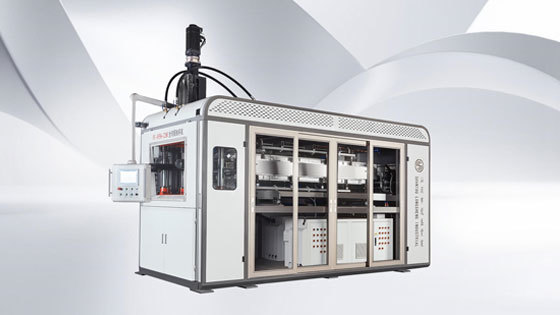
To fully appreciate the functionality of PVC thermoforming machines, it's essential to examine their core components. Each part plays a crucial role in ensuring efficient operation and high-quality output.
3.1 Heating Systems
Heating systems within PVC thermoforming machines are designed to ensure uniform temperature distribution across the sheet. This is vital for achieving optimal plasticity and preventing defects in the final product. Advanced machines may utilize **infrared heaters** or **hot air systems** for this purpose, allowing for greater control and efficiency.
3.2 Forming Tools
Forming tools are instrumental in shaping the heated PVC sheet. These tools can vary widely in design, depending on the complexity of the desired product. Options include **single-cavity molds** for simple shapes and **multi-cavity molds** for high-volume production. The choice of forming tools can significantly impact the turnaround time and production costs.
3.3 Control Systems
Modern PVC thermoforming machines are equipped with sophisticated control systems that ensure precision in both heating and forming processes. These systems provide operators with real-time data, allowing for quick adjustments to optimize performance and minimize waste.
4. Types of PVC Thermoforming Machines
The market offers various types of PVC thermoforming machines, each designed to cater to different production needs and scales.
4.1 Single Station Machines
Single station machines are ideal for small-scale operations or specialized production runs. They typically feature a straightforward design, allowing for easy operation and maintenance. While they may have a lower output capacity, their simplicity makes them a popular choice for startups and niche manufacturers.
4.2 Multi-Station Machines
Multi-station machines are designed for higher production volumes and are equipped with multiple forming stations. This configuration enables continuous operation, significantly increasing productivity. They're particularly beneficial for manufacturers looking to scale up their output without compromising quality.
4.3 High-Speed Machines
High-speed PVC thermoforming machines are engineered for maximum efficiency, capable of producing large quantities of products in minimal time. Although these machines come with a higher initial investment, the potential for increased production capacity and reduced labor costs often justifies the expense.
5. Factors to Consider When Choosing PVC Thermoforming Machines
Selecting the right PVC thermoforming machine involves careful consideration of various factors that can influence performance and overall cost-effectiveness.
5.1 Production Volume
One of the primary considerations is the expected production volume. For businesses anticipating high demand, investing in multi-station or high-speed machines may be prudent. Conversely, smaller operations might find single station machines more aligned with their needs.
5.2 Material Compatibility
While PVC is a popular choice, it's essential to ensure that the selected machine can accommodate other materials if diversification is part of your strategy. Understanding the machine's compatibility with different thermoplastics can provide greater flexibility in production.
5.3 Cost and Return on Investment
The initial cost of a thermoforming machine is a significant factor, but it is equally important to consider the return on investment (ROI). Analyzing operational costs, including energy consumption, maintenance, and labor, will provide insights into the long-term financial implications of your purchase.
6. Advantages of Investing in Quality PVC Thermoforming Machines
Investing in high-quality PVC thermoforming machines offers several advantages that can enhance production efficiency and product quality.
First and foremost, **reliable machines** reduce downtime due to fewer breakdowns and maintenance issues. Enhanced efficiency leads to lower per-unit production costs, which can significantly improve profit margins. Additionally, modern machines equipped with advanced technology often provide better quality control, resulting in fewer defects and waste.
7. Maintenance and Support for PVC Thermoforming Machines
Regular maintenance is crucial for ensuring the longevity and reliability of PVC thermoforming machines. Establishing a routine maintenance schedule can help identify potential issues before they escalate into costly repairs. Moreover, having access to robust technical support from the manufacturer can provide peace of mind and minimize operational disruptions.
8. Frequently Asked Questions (FAQs)
What is the average lifespan of a PVC thermoforming machine?
The average lifespan can range from 10 to 15 years, depending on usage, maintenance, and the quality of the machine.
Can PVC thermoforming machines handle other plastics?
Many machines are versatile and can process different thermoplastics, but it's essential to verify compatibility with specific materials.
What are the energy consumption implications of PVC thermoforming machines?
Energy consumption varies by machine type and production scale. High-speed machines may consume more energy but often offset this with increased output.
Is operator training necessary for PVC thermoforming machines?
Yes, proper operator training is crucial to maximize efficiency and ensure safety when handling these machines.
How can I improve the efficiency of my PVC thermoforming operations?
Investing in high-quality machines, regular maintenance, and employee training are effective ways to enhance efficiency.
9. Conclusion
In summary, selecting the right PVC thermoforming machine is a critical decision that can significantly impact your production capabilities and bottom line. By understanding the various types of machines available, their key components, and the factors to consider during the selection process, manufacturers can make informed choices that align with their operational goals. Investing in quality equipment not only enhances efficiency but also ensures that the final products meet the high standards expected in today’s competitive market. As the plastic processing industry continues to evolve, staying informed about the latest advancements in PVC thermoforming technology will be vital for maintaining a competitive edge.
Related News
Contact Us
China Shantou Longsheng Industry Co., Ltd.
Address:No.44 Xigang Road, Shantou, Guangdong, China
Mob: +86-13302710116
Shiela:+86-15362312727
E-mail: longshengmachine@gmail.com



TikTok